Aug 20-2026
Undensified vs Densified Silica Fume: Which Microsilica Is Better for Concrete Applications?
READ MORE >

GGBS, also called GGBFS or Ground Granulated Blast Furnace Slag, is used in concrete as a supplementary cementitious material to partially replace Portland cement. In practical concrete production, it helps improve long-term strength, reduce heat of hydration, lower permeability, increase resistance to chloride and sulfate attack, and reduce the carbon footprint of concrete. Common replacement levels range from 20% to 70%, depending on the required strength, curing condition, exposure environment, and construction schedule.
This guide explains the use of GGBS in concrete from an engineering and procurement perspective, including how it works, typical replacement ratios, key benefits, limitations, application areas, and how to compare GGBS with other supplementary cementitious materials. For concrete producers, contractors, cement blending companies, and construction material importers, selecting a stable GGBFS supplier for concrete applications is essential for consistent performance in large-scale projects.
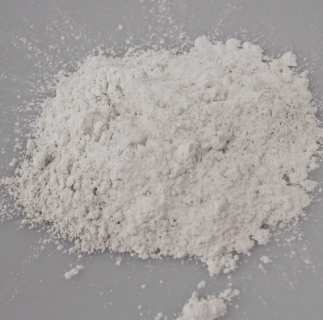
GGBS is a by-product of iron production in blast furnaces. When molten slag is rapidly quenched and ground into a fine powder, it becomes a reactive material capable of partially replacing Portland cement.
According to the World Steel Association, approximately 300–350 kg of slag is generated per ton of pig iron, highlighting its large-scale availability for construction reuse.
Why engineers choose GGBS:
· Lower embodied carbon
· Improved durability performance
· Enhanced long-term strength
· Reduced thermal cracking risk
GGBS is classified as a latent hydraulic material. It reacts with calcium hydroxide (CH), a by-product of cement hydration, to form additional calcium silicate hydrate (C-S-H), which strengthens the microstructure.
Hydration process:
1. Cement reacts with water → produces C-S-H + CH
2. GGBS reacts with CH → produces secondary C-S-H
This secondary reaction results in a denser and less permeable matrix.
Research from the American Concrete Institute indicates that GGBS can significantly refine pore structure and reduce permeability, which directly improves durability.
Ground Granulated Blast Furnace Slag concrete performs well in aggressive environments, offering resistance to:
· Chloride penetration
· Sulfate attack
· Alkali-silica reaction (ASR)
The Portland Cement Association reports that chloride permeability can be reduced by up to 60% depending on replacement levels and curing conditions.
Cement production emits approximately 0.9 kg of CO₂ per kg of cement, according to the International Energy Agency.
By replacing 50% of cement with GGBS:
· CO₂ emissions can drop by 40–50%
· Concrete becomes significantly more sustainable
Although early strength gain is slower, GGBS concrete often exceeds traditional concrete strength after 28–90 days due to ongoing hydration and microstructural densification.
This makes GGBS ideal for mass concrete applications. The U.S. Bureau of Reclamation highlights that controlling temperature rise is critical to preventing thermal cracking in large pours.
Typical GGBS replacement ratios include:
· 20–30%: Standard structural applications
· 40–60%: Durable and marine-grade concrete
· Up to 70%: Low-heat or specialized infrastructure
Standards such as those from the British Standards Institution support high replacement levels in aggressive environments.
GGBS particles improve workability due to their smooth texture. However, to fine-tune performance, mixes often incorporate a concrete admixture chemical such as superplasticizers to maintain flowability and control setting time.
· Slightly slower initial setting
· Longer workable time (useful in hot climates)
This characteristic can be beneficial but requires proper scheduling and curing control.
Consistent material quality is essential for achieving predictable concrete performance. Variations in fineness, glass content, and chemical composition can affect hydration behavior and strength development.
For this reason, sourcing from experienced ggbfs suppliers is critical. Reliable suppliers ensure:
· Compliance with standards such as ASTM C989
· Stable chemical composition
· Controlled grinding fineness
In large-scale infrastructure projects, supply chain stability directly impacts construction timelines and quality consistency.
Due to its resistance to chloride ingress, GGBS is widely used in:
· Ports and harbors
· Offshore structures
· Coastal bridges
Used in:
· Highways
· Tunnels
· Bridge foundations
The Federal Highway Administration emphasizes its role in extending service life and reducing maintenance costs.
Low heat generation makes it suitable for:
· Dams
· Large foundations
· Raft slabs
GGBS contributes to green building certifications by reducing embodied carbon and improving lifecycle performance.
When designing a durable concrete mix, engineers often evaluate different types of cementitious materials to balance performance, cost, and environmental impact. The following matrix highlights how GGBS compares to other common supplementary cementitious materials (SCMs) like Fly Ash and Silica Fume:
| Property | GGBS | Fly Ash | Silica Fume |
| Reactivity | Moderate | Low–Moderate | Very High |
| Strength Gain | Long-term | Moderate | Early + Long-term |
| Durability | Excellent | Good | Excellent |
| Cost | Moderate | Low | High |
The American Concrete Institute notes that GGBS provides an optimal balance between performance, cost, and sustainability.
· Use curing optimization or accelerators
· Source from certified suppliers
· Verify compliance with standards
· Ensure adequate moisture curing
· Extend curing duration if needed
Blending GGBS with other SCMs enables ultra-low carbon concrete solutions.
AI and digital tools are improving:
· Mix optimization
· Performance prediction
· Material efficiency
GGBS is expected to play a major role in achieving net-zero construction targets worldwide.
GGBS is a high-performance, sustainable material that significantly improves durability, reduces carbon emissions, and enhances long-term concrete properties. When combined with proper mix design, quality sourcing, and appropriate admixtures, it offers a reliable solution for modern construction and infrastructure development.