
Apr 14-2026
Types of Fly Ash Used in Concrete: A Practical Guide Based on Material Form and Performance
READ MORE >

In concrete mix design, both GBFS (ground granulated blast furnace slag) and fly ash are commonly used supplementary cementitious materials (SCMs), and they are often compared side by side. Many concrete professionals struggle with the same question: since both replace cement, what exactly sets them apart, and how do you choose for a given project? The truth is, there is no absolute "better" material—only the one that fits your specific needs. This article breaks down their characteristics, differences, and best-use scenarios from a practical, field-oriented perspective.
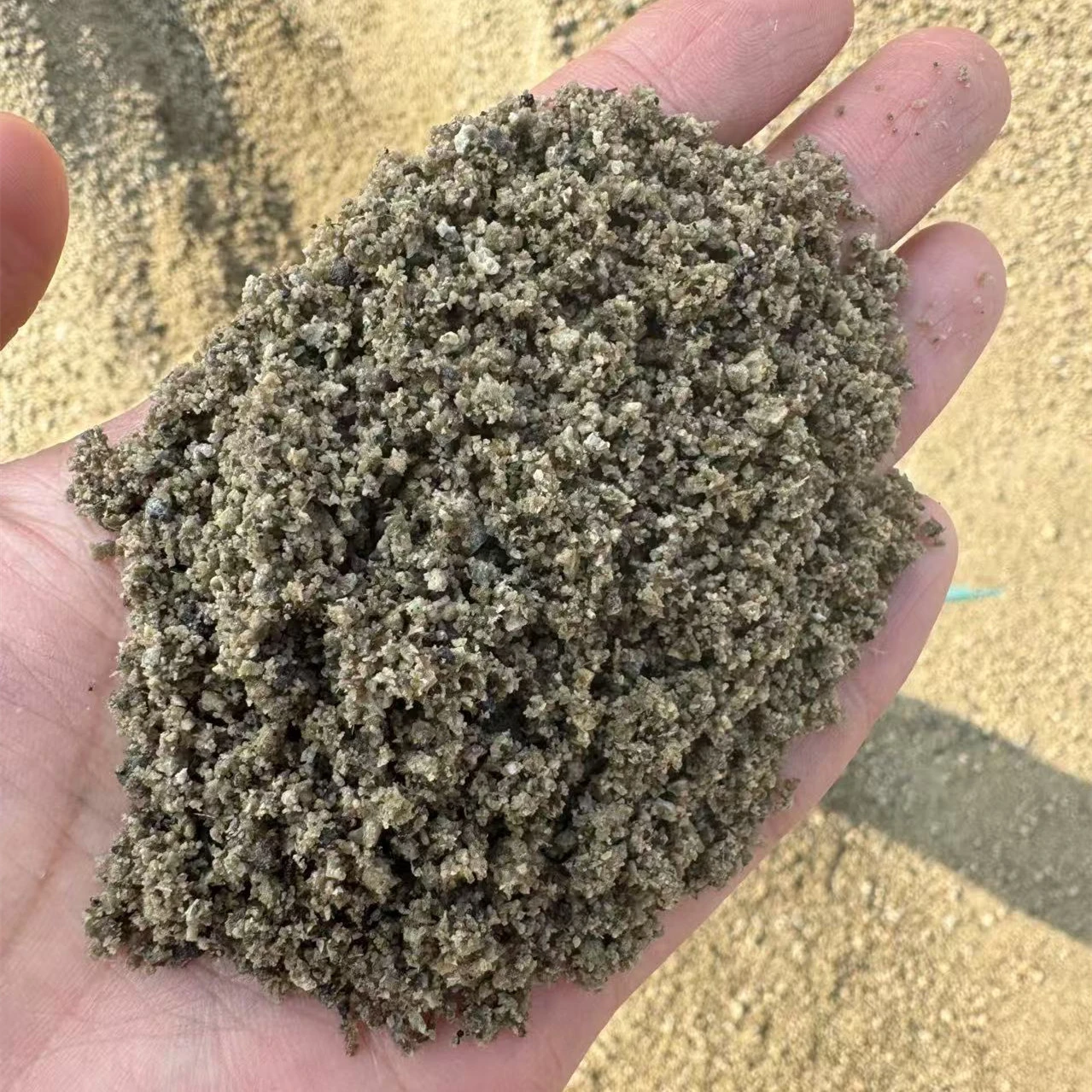
GBFS (ground granulated blast furnace slag) is produced from water-quenched slag generated during ironmaking in blast furnaces at steel mills. After grinding, it becomes a highly reactive SCM with stable composition and high activity. It is a mainstream choice for high-performance concrete.
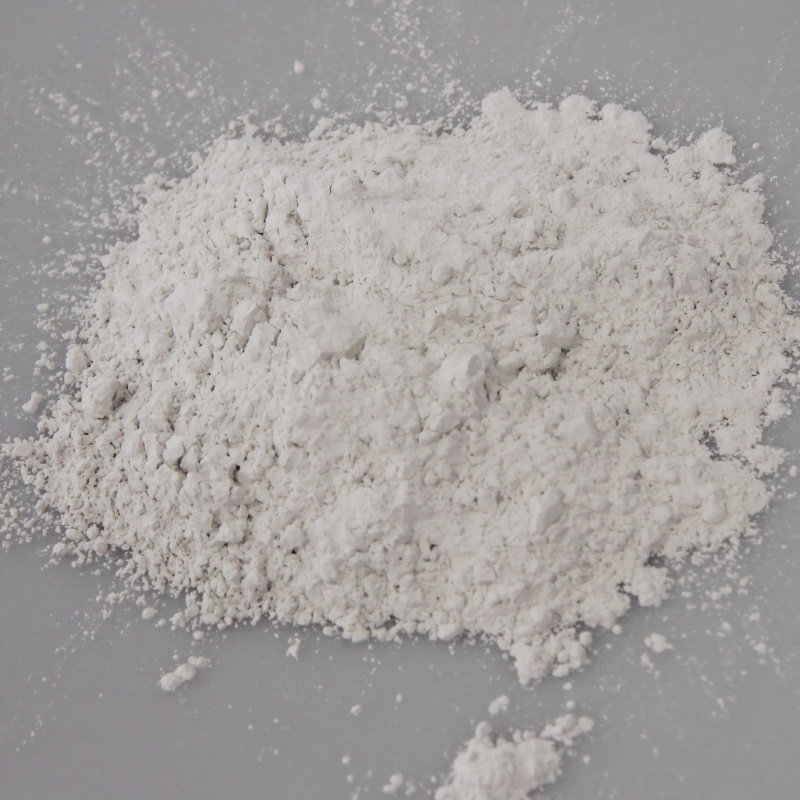
Fly ash consists of fine particles recovered from flue gases at coal-fired power plants. Its particles are typically spherical. Fly ash is widely available, cost-effective, and extensively used in conventional ready-mix concrete.
Both are environmentally friendly SCMs that can replace a portion of Portland cement. However, their origins, particle morphology, and performance characteristics differ significantly.
From a strength development perspective, the two materials behave quite differently.
Fly ash exhibits relatively low early strength, with gradual, steady growth. This can be a disadvantage for projects requiring early formwork removal or tight construction schedules. However, later-age strength does continue to improve.
GBFS is significantly more reactive. It provides much better early strength and continues to gain strength steadily over time, with a stronger overall profile. For high-strength and high-performance concrete in particular, GBFS reliably meets design requirements and offers a clear long-term strength advantage.
In terms of workability, fly ash has a natural advantage. Its spherical particles act like "micro-ball bearings," improving concrete flowability, maintaining good cohesion, and reducing the risk of segregation and bleeding. This makes fly ash extremely pump-friendly.
GBFS is slightly less effective at improving flowability compared to fly ash, but it offers better water retention and produces a more stable paste with minimal bleeding or segregation. With a properly designed mix proportion, GBFS can meet site requirements for placement and finishing without issue.
For durability, GBFS is generally the stronger performer. It excels in resistance to chloride ion penetration, sulfate attack, and chemical corrosion. This makes it particularly suitable for harsh environments such as marine structures, ports, bridges, and tunnels, where it helps protect reinforcing steel and extend structural service life.
Fly ash also improves concrete durability, but for highly corrosive or demanding applications, GBFS offers greater reliability and long-term stability. Both materials help control heat of hydration and reduce cracking in mass concrete, but GBFS provides more balanced overall performance.
Both materials have their strengths. The choice depends on your specific project requirements. Use the following guidelines:
| Application Scenario | Recommended SCM |
|---|---|
| General residential construction, pump concrete | Fly ash (more economical, better workability) |
| Marine structures, bridges, tunnels, high-durability projects | GBFS (superior durability and long-term stability) |
| High-strength concrete, precast elements | GBFS (better strength development) |
| Mass concrete, temperature control, crack prevention | Both work well; GBFS offers slightly better overall performance |
| Projects where long-term strength and structural safety are critical | GBFS (more reliable long-term performance) |
| Parameter | GBFS (Slag Powder) | Fly Ash |
|---|---|---|
| Source | Water-quenched slag from blast furnaces (steel mills) | Fine ash recovered from coal-fired power plant flue gases |
| Early strength | Higher, faster development | Lower, slower growth |
| Long-term strength | Continuous gain, high later-age strength | Steady increase, but more limited gain |
| Workability | Stable paste, good water retention | Excellent flowability, smooth pumping |
| Durability | Excellent – superior chloride and sulfate resistance | Good – less effective than GBFS in highly aggressive environments |
| Best applications | Bridges, marine works, high-strength, high-performance concrete | Residential construction, conventional pump concrete |
| Overall positioning | High-reliability, versatile SCM | Cost-effective, workability-friendly SCM |
Summary
Fly ash offers excellent workability and lower cost, making it a great choice for general residential construction and routine pump concrete projects.
GBFS, on the other hand, delivers more comprehensive and reliable performance in strength development, structural durability, and long-term stability. For critical projects with high quality and service life requirements, GBFS is the more dependable option.