Aug 12-2025
World of Concrete Asia NOW – Booth W4G02!
READ MORE >

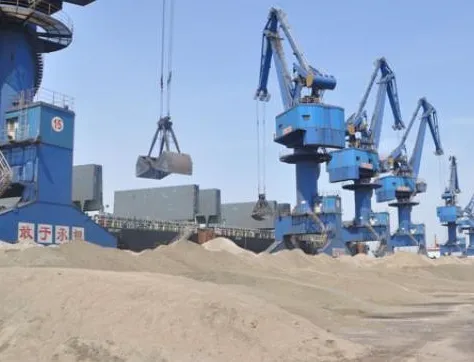
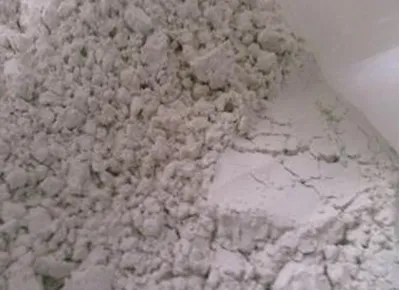
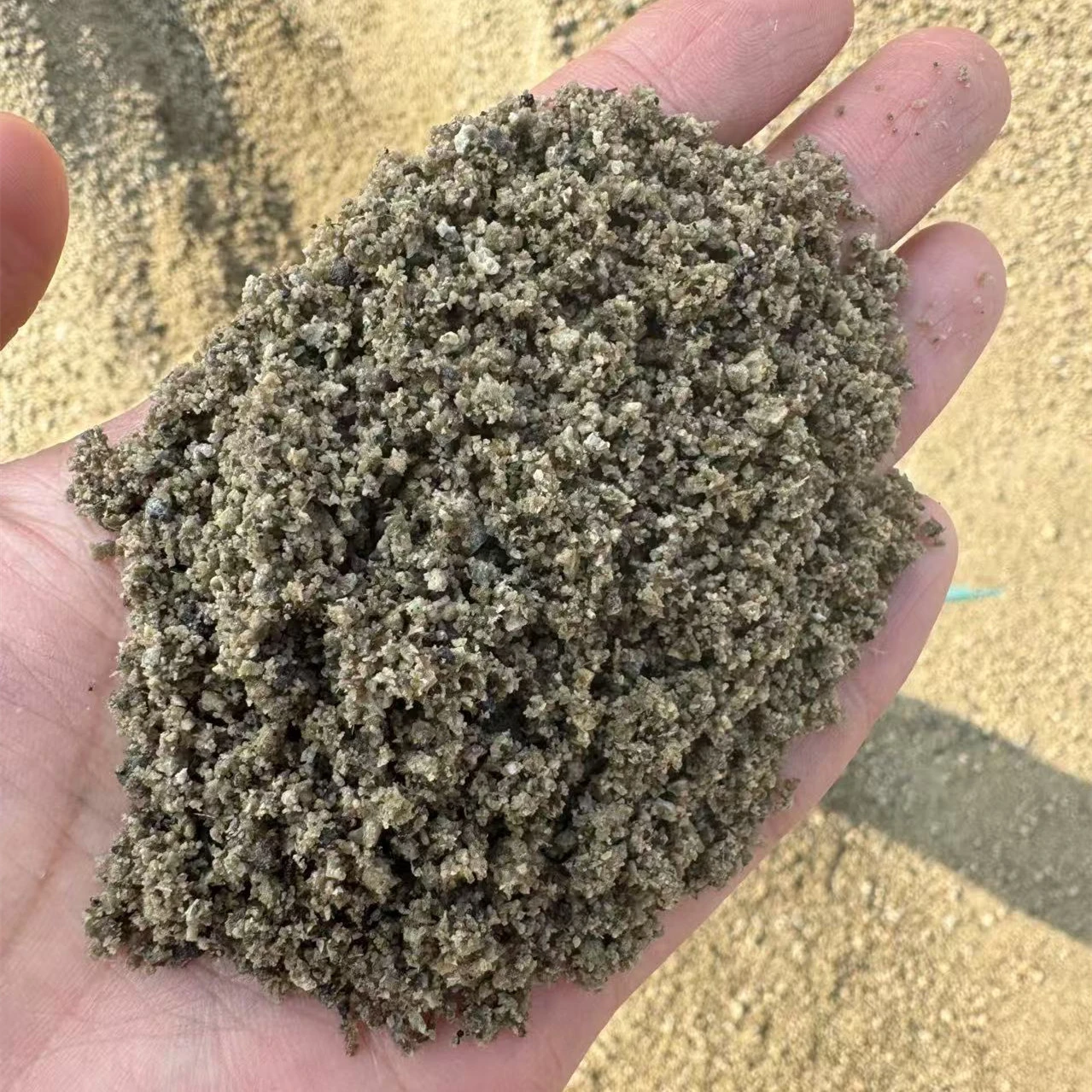
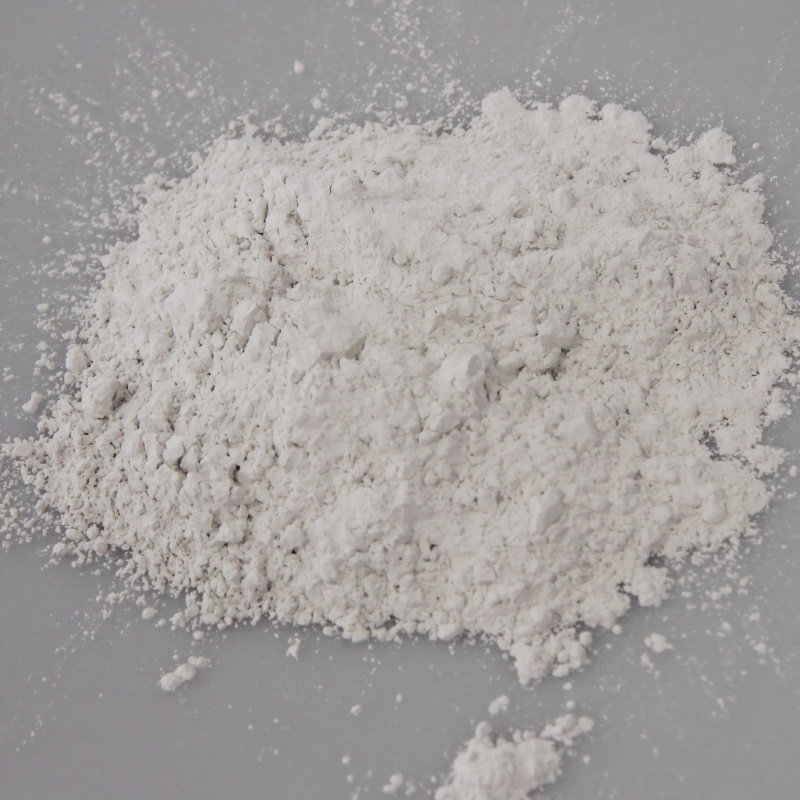
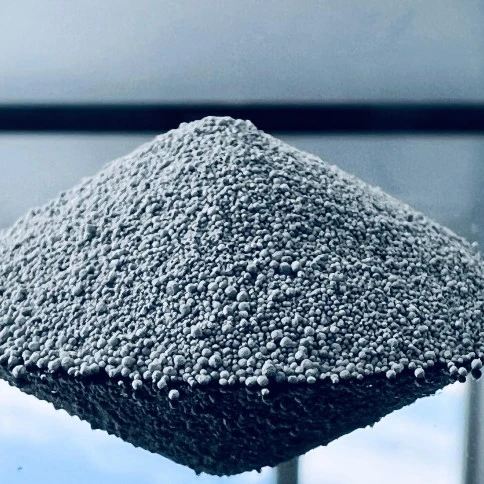
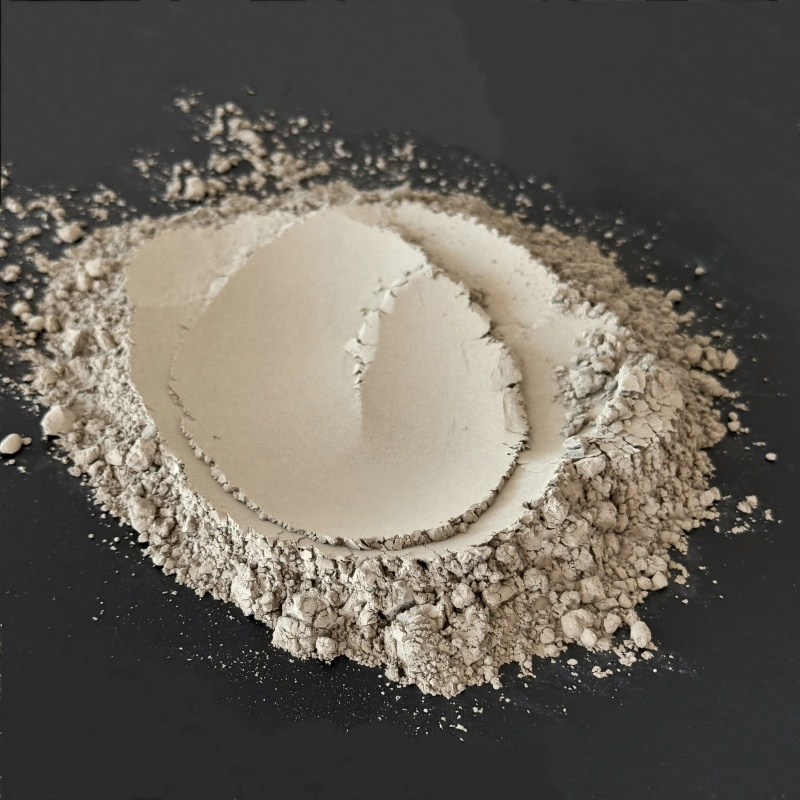
Granulated Blast Furnace Slag (GBFS) is a glassy, granular material produced as a by-product during the iron-making process in blast furnaces. When molten slag is rapidly quenched with water, it forms granulated particles with latent hydraulic properties, making it a valuable material for the construction and cement industries. GBFS is widely recognized for its consistent quality, stable chemical composition, and excellent performance when used as a cementitious or supplementary material. The meaning of GBFS (Granulated Blast Furnace Slag) goes beyond industrial byproducts—it’s a cornerstone of sustainable construction.
GBFS mainly consists of calcium silicates, aluminosilicates, and magnesium compounds. Its chemical composition is similar to that of Portland cement clinker, which allows it to react with water and contribute to strength development.
When integrated into industrial concrete formulations, the material exhibits excellent synergy when blended with different types of cementitious materials.
Key characteristics include:
Glassy structure with latent hydraulic activity
Light-colored granules with low impurities
Stable particle size distribution
High compatibility with cementitious systems
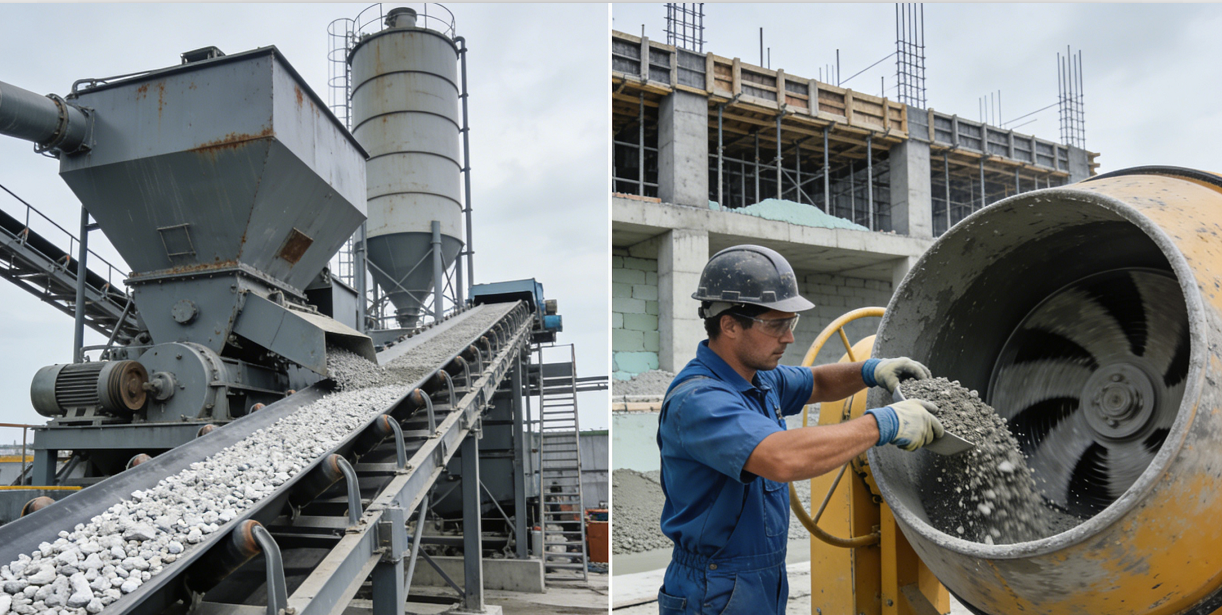
Granulated Blast Furnace Slag is widely used across multiple construction sectors:
Cement Manufacturing: Used as a raw material for slag cement production
Concrete Production: Improves durability, strength, and workability
Infrastructure Projects: Suitable for bridges, ports, and marine structures
Road Base and Backfill: Enhances stability and load-bearing capacity
Using GBFS offers multiple technical and environmental benefits:
Improves long-term concrete strength
Enhances resistance to sulfate and chloride attack
Reduces hydration heat in mass concrete
Lowers CO₂ emissions by reducing clinker consumption
Supports sustainable and eco-friendly construction
Granulated Blast Furnace Slag is a reliable and sustainable material that plays a crucial role in modern construction. Its excellent performance and environmental benefits make it an ideal choice for cement producers, concrete manufacturers, and infrastructure projects worldwide.