
Oct 11-2025
Extensive Applications of Bentonite
READ MORE >

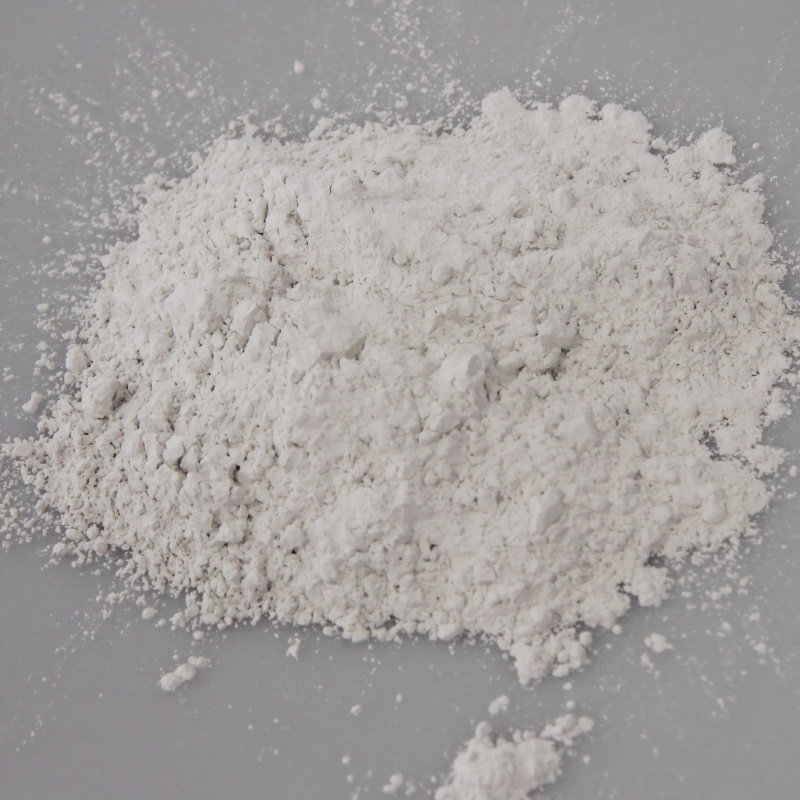
Kaolin is a non-metallic mineral, which is a type of clay and clay-rock dominated by kaolinite clay minerals. It possesses good plasticity and refractory properties among other physical and chemical properties. Because of its white and delicate appearance, it is also known as China clay. Pure kaolin appears white and delicate, soft and soil-like, possessing good plasticity and refractory properties. Its mineral composition consists mainly of kaolinite, halloysite, hydromica, illite, montmorillonite, as well as quartz, feldspar, and other minerals. Its uses are very extensive, primarily utilized in papermaking, ceramics, and refractory materials.
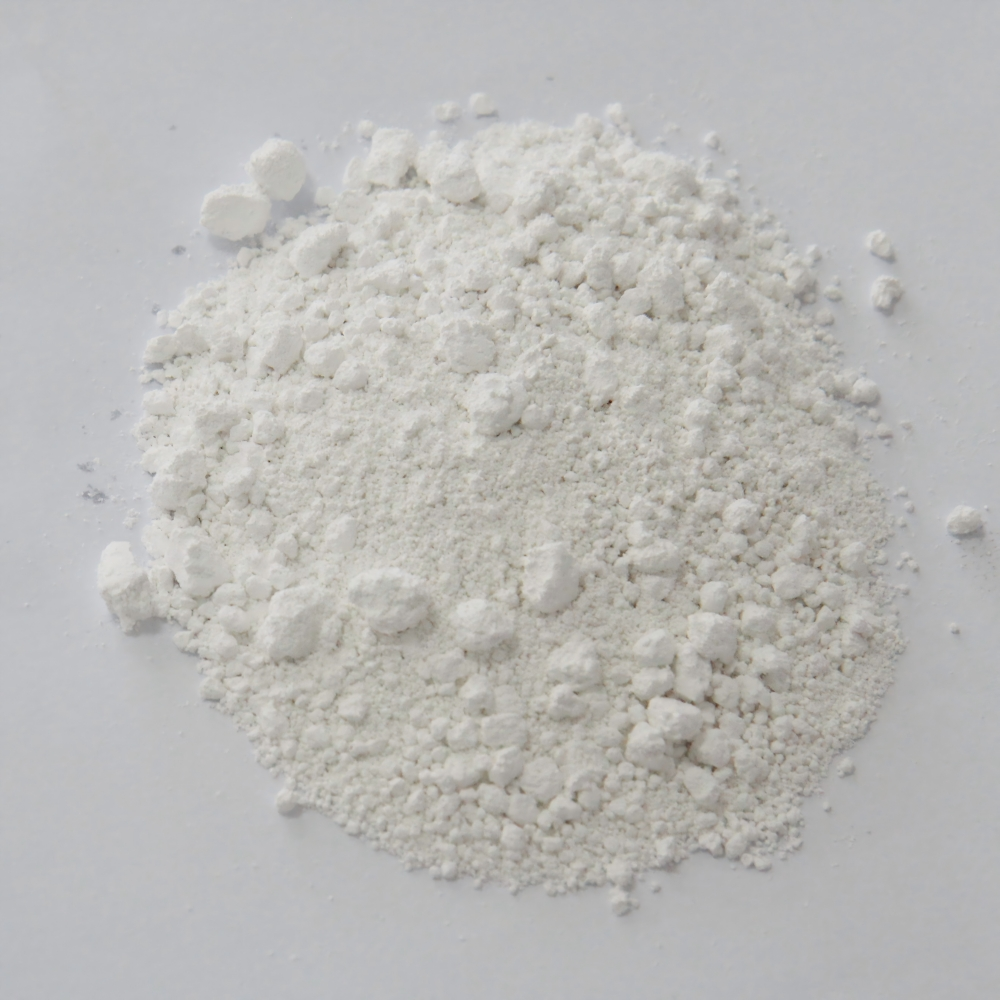
When searching for top-tier kaolin powder suppliers, industries demand consistent quality, competitive pricing, and dependable logistics. Kaolin is widely used in cement-based materials. Metakaolin, prepared by calcining and finely grinding kaolin at appropriate temperatures, is considered a new generation of admixture for cement concrete. They significantly improve the workability, strength, and durability of cement-based materials while alleviating the common phenomena of autogenous shrinkage and delamination in high-performance cement materials.
Kaolin has been applied early and in large amounts in the ceramic industry, typically accounting for 20-30%. Kaolin increases the content of Al2O3 in ceramics, making the mullite formation process easier, thereby enhancing the sintering strength and stability of ceramics. During ceramic firing, kaolin decomposes and forms the body structure, making the ceramic body less prone to deformation and widening the firing temperature range, improving the ceramic's whiteness. Additionally, kaolin's plasticity, bonding, suspension, and adhesion properties improve the formability of porcelain clay and glaze, benefiting processes such as wheel throwing, slip casting, and ceramic forming.
Industrial kaolin has good refractory properties and is commonly used to produce refractory materials, with products capable of withstanding high temperatures without deformation. Clay with kaolinite as the main component, as well as bentonite and bauxite, is collectively referred to as refractory clay due to its high-temperature resistance.
Kaolin is mainly used as a filler in the plastics industry. Calcined kaolin, with a larger surface area and activity, can adsorb conductive ions in plastics, improving the performance of plastics, making them smoother, more aesthetically pleasing, and more resistant to chemical corrosion. In the plastics industry, calcined kaolin can replace titanium dioxide as a pigment, substituting over 20% of titanium dioxide without significantly reducing optical performance. Adding kaolin to plastic films can also reduce the impact of infrared rays, and its insulation strength is improved after adding calcined kaolin. Modified kaolin can also be used in PE agricultural film, which can increase the nighttime temperature inside greenhouses, make light distribution more uniform, and enhance the thermal insulation effect of agricultural films.
In summary, due to its excellent physical and chemical properties and broad applicability, kaolin has become an indispensable important raw material in many industries.