
Feb 09-2026
Ultimate Guide to Micro Steel Fibre Reinforced Concrete
READ MORE >

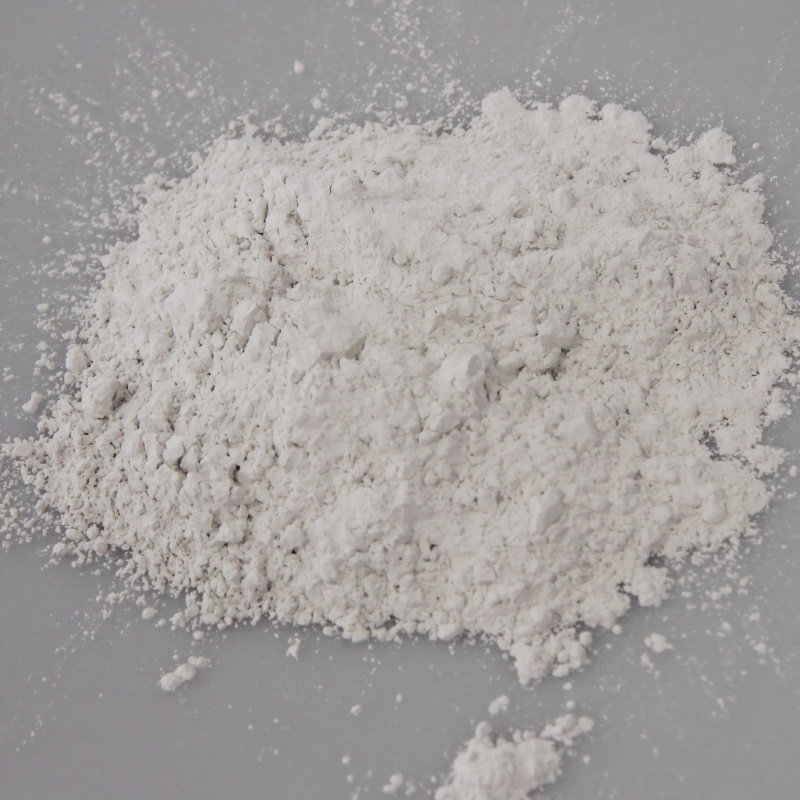
SCMs exhibit excellent pozzolanic or latent hydraulic reactivity. They continuously react with cement hydration products, forming a denser and more stable binder system. While maintaining adequate early-age strength, SCMs effectively promote steady long-term strength gain. Compared to plain Portland cement concrete, properly formulated SCM blends enable continuous strength development at 28 days, 60 days, and beyond—making them particularly suitable for high-strength and high-performance concrete applications.
In addition, GGBFS (ground granulated blast furnace slag) optimizes the particle size distribution of the cementitious system, filling microscopic voids and producing a denser concrete matrix. This further improves both mechanical properties and durability.
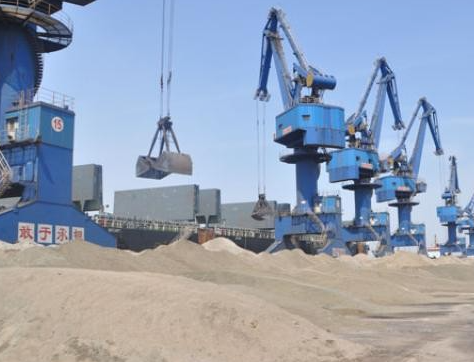
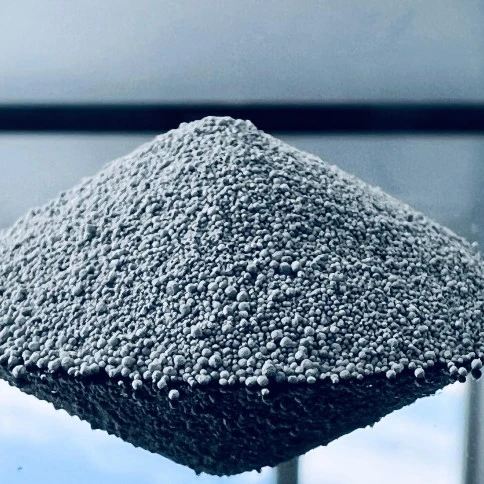
Certain SCMs—such as fly ash and ground slag—exhibit a spherical particle shape (morphological effect) and micro-filling effect. These characteristics reduce internal friction within the concrete mix, enhancing flowability, cohesion, and water retention while minimizing bleeding and segregation.
For demanding placement conditions such as pump concrete, underwater concrete, and self-consolidating concrete (SCC), SCMs significantly improve workability, reduce pumping resistance, increase placement efficiency, and minimize construction defects—resulting in smoother on-site operations.
SCMs effectively refine the pore structure of concrete and reduce permeability. This substantially improves resistance to chloride ion penetration, sulfate attack, carbonation, and freeze-thaw cycles.
In harsh environments such as marine structures, ports and harbors, bridges and tunnels, and saline-alkali regions, SCMs help delay steel reinforcement corrosion, slow structural deterioration, extend service life, and reduce long-term maintenance costs. They are a key technical solution for enhancing engineering durability.
Cement hydration releases significant heat. In mass concrete, temperature differentials between the core and surface can lead to thermal cracking. By replacing a portion of the cement, SCMs substantially lower the total heat of hydration of the binder system, delay the peak temperature, and reduce thermal stresses—effectively controlling the formation of thermal cracks.
In mass concrete applications such as dams, bridge pile caps, and subway base slabs, SCMs are an essential measure for ensuring structural integrity and preventing early-age cracking.
Most SCMs are industrial byproducts that would otherwise go to landfill. By replacing cement, they significantly reduce the carbon footprint of concrete production, supporting green building and low-carbon construction policies.
At the same time, SCMs are generally less expensive than Portland cement on a per-ton basis, enabling direct cost savings on cementitious materials—without compromising, and often while enhancing, performance. Furthermore, the improved durability translates into lower life-cycle costs, delivering both environmental and economic benefits for sustainable development.