
Feb 09-2026
Ultimate Guide to Micro Steel Fibre Reinforced Concrete
READ MORE >

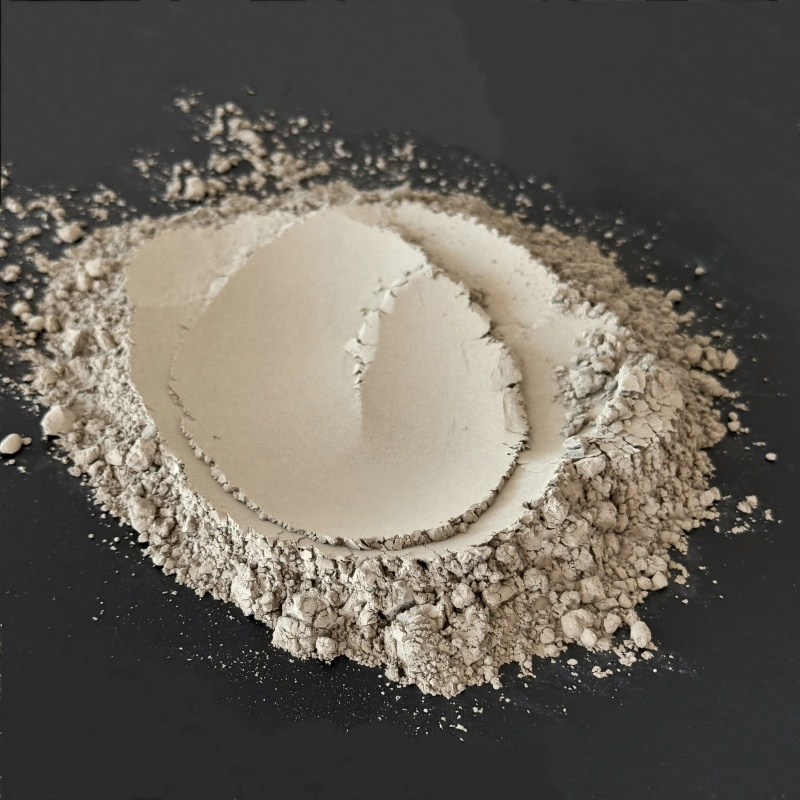
Microsilica, also known as silica fume or silica powder, is an ultra-fine silicon material that is formed when the electric arc furnace used to smelt ferrosilicon and industrial silicon (metallic silicon) produces a large amount of volatile SiO₂ and Si gases. These gases condense and precipitate rapidly after being discharged and coming into contact with air. When comparing the silica fume price, it's essential to consider not just cost but also quality and long-term performance benefits.
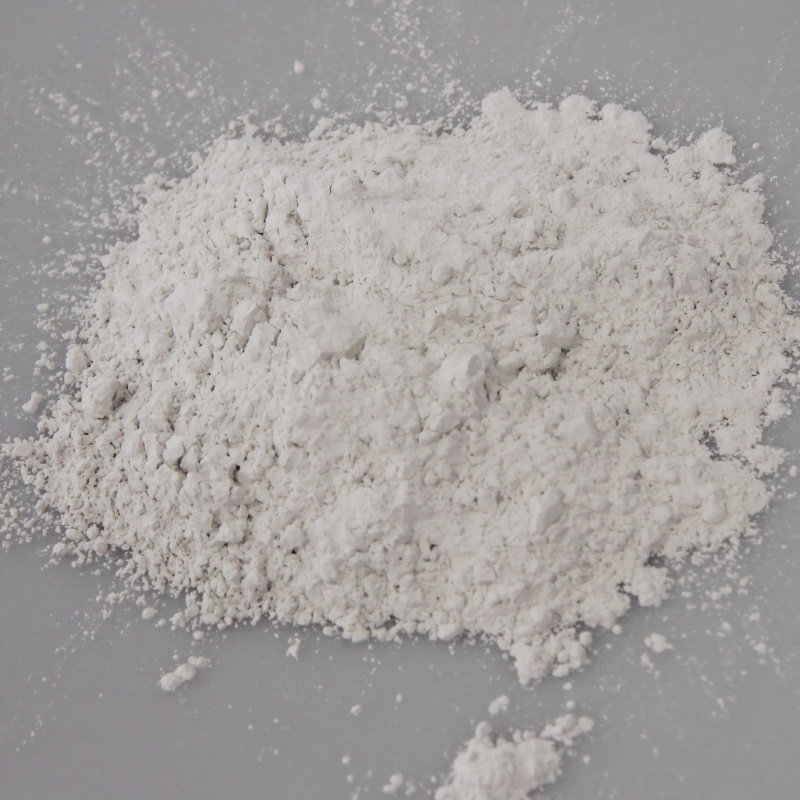
Appearance and Physical Properties: It appears as a gray or off-white powder, with a refractoriness of over 1600℃. Its specific gravity is generally between 200 and 250 kg/m³.
Particle Size and Morphology
Particle size: More than 80% of the microsilica particles have a fineness of less than 1μm, with an average particle size of 0.1-0.3μm. The specific surface area is 20-28m²/g, and its fineness and specific surface area are approximately 80-100 times that of cement and 50-70 times that of fly ash.
Particle morphology: During its formation, due to the effect of surface tension during the phase change, microsilica forms non-crystalline amorphous spherical particles with a relatively smooth surface. Some particles tend to aggregate into clusters of multiple spherical particles sticking together.
Chemical Properties
Main components: The main component is silicon dioxide, with a content generally between 80%-92%. In high-purity variants, the content can be above 99%. It also contains small amounts of impurities like alumina, iron oxide, calcium oxide, and magnesium oxide.
Pozzolanic activity: It has a strong pozzolanic effect, capable of a secondary hydration reaction with the cement hydration product Ca(OH)₂, forming cementitious products that fill the cement stone structure, improving the microstructure of the slurry, and enhancing the mechanical properties and durability of the hardened body.
Collection: During the smelting process, microsilica in the flue gas is collected using equipment such as baghouse dust collectors.
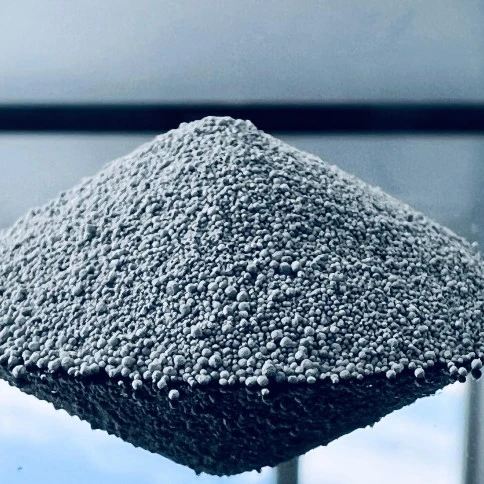
Densification: The collected microsilica has a low density and needs to be densified using densification equipment to increase its density and fluidity, facilitating storage and transportation.
The fine particles and high specific surface area of microsilica significantly enhance the strength, durability, and performance of materials. It plays a critical role, especially in modern engineering and industrial production. With continuous technological advancements, the application prospects of microsilica remain very promising, providing strong support for continuous innovation and optimization in various industries in the future.