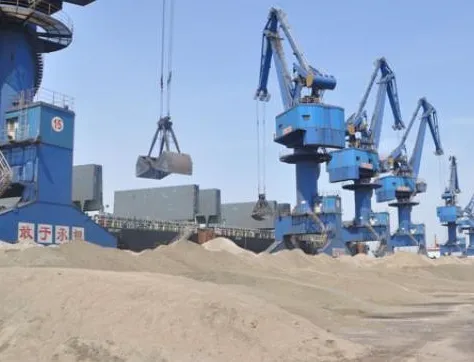
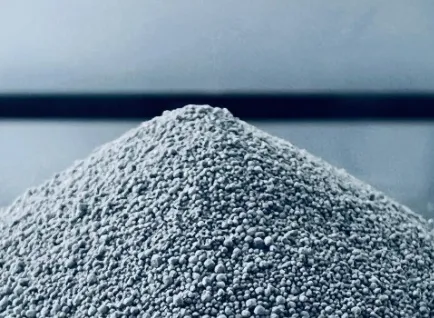
Property | Concrete (Normal/Standard) | Ultra-High Performance Concrete (UHPC) |
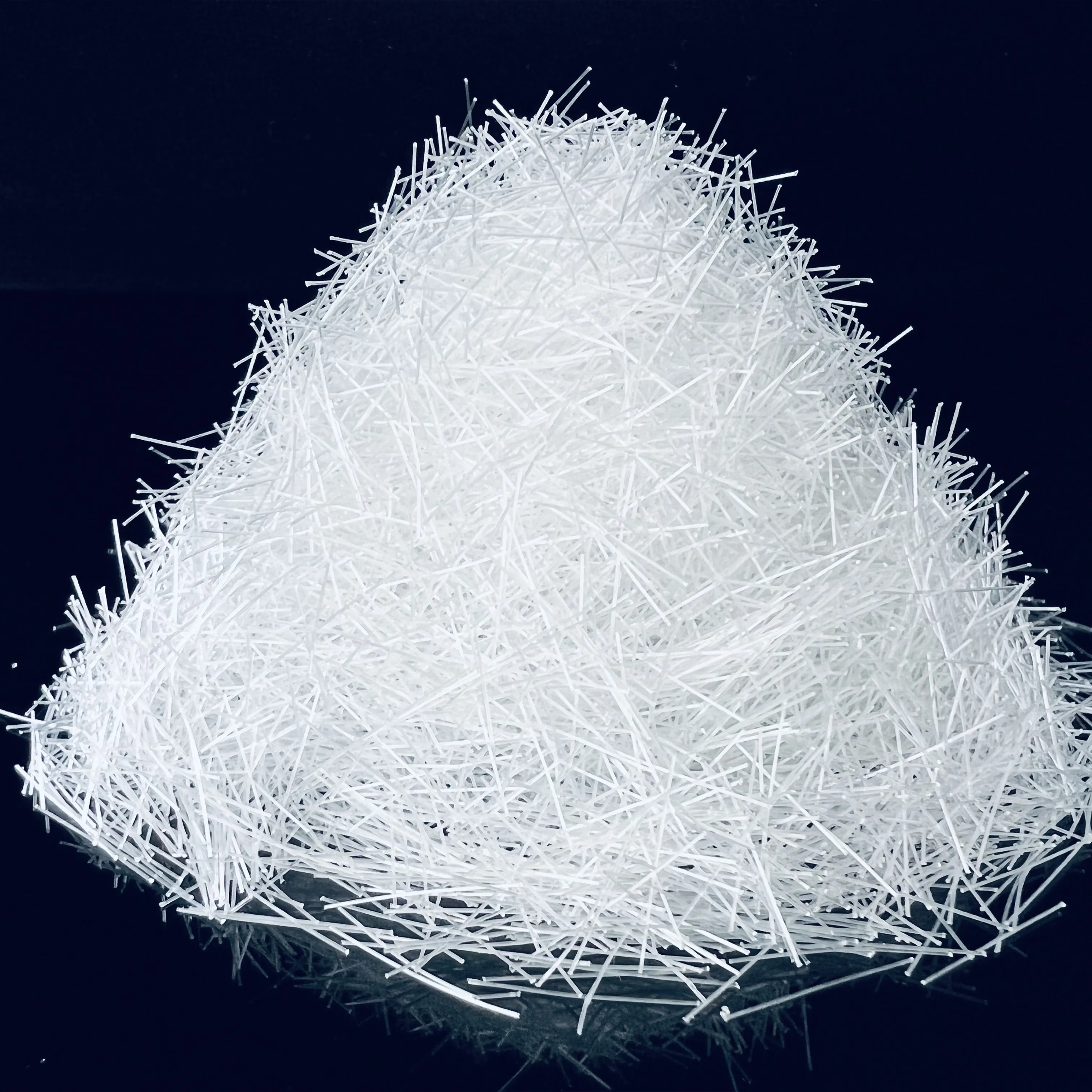
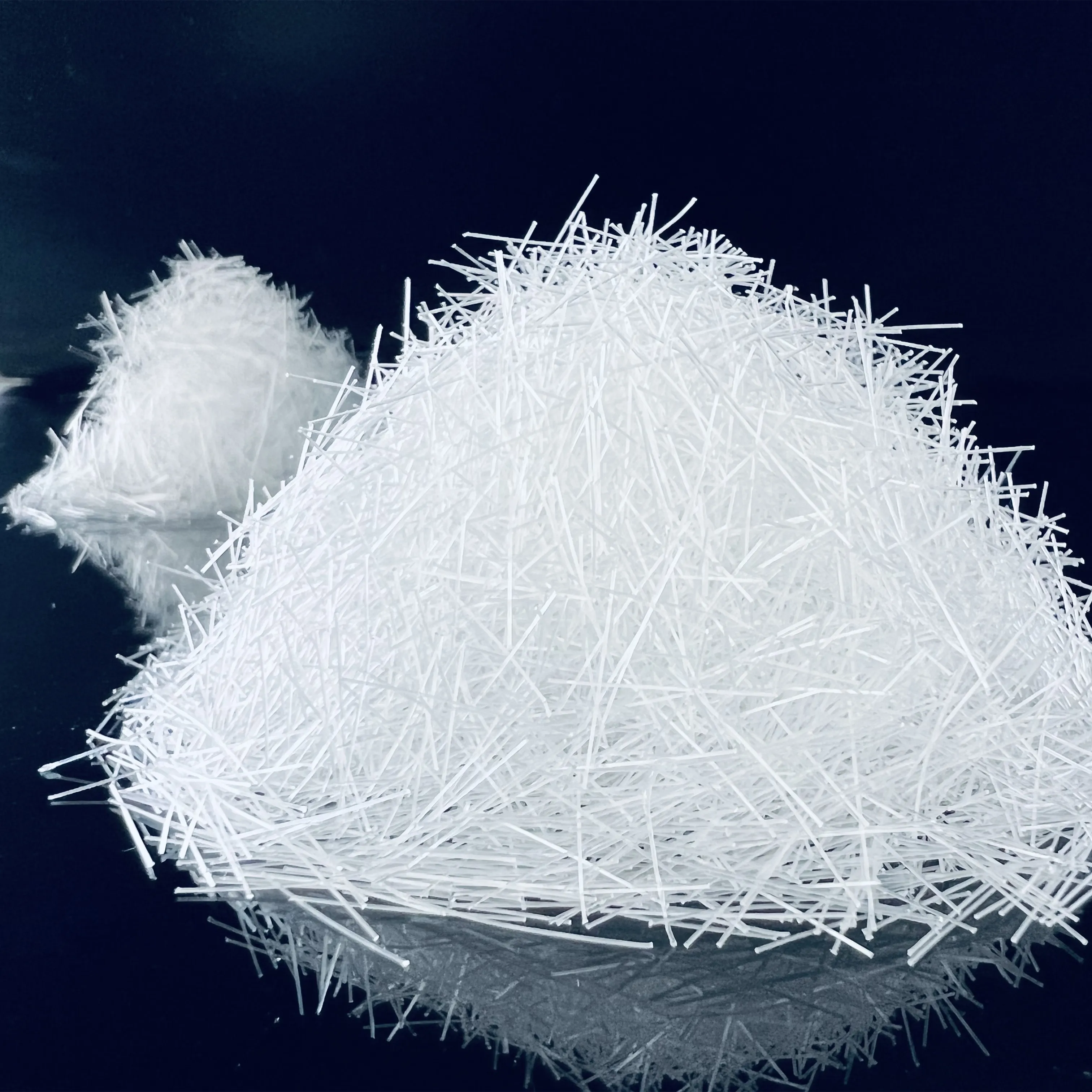
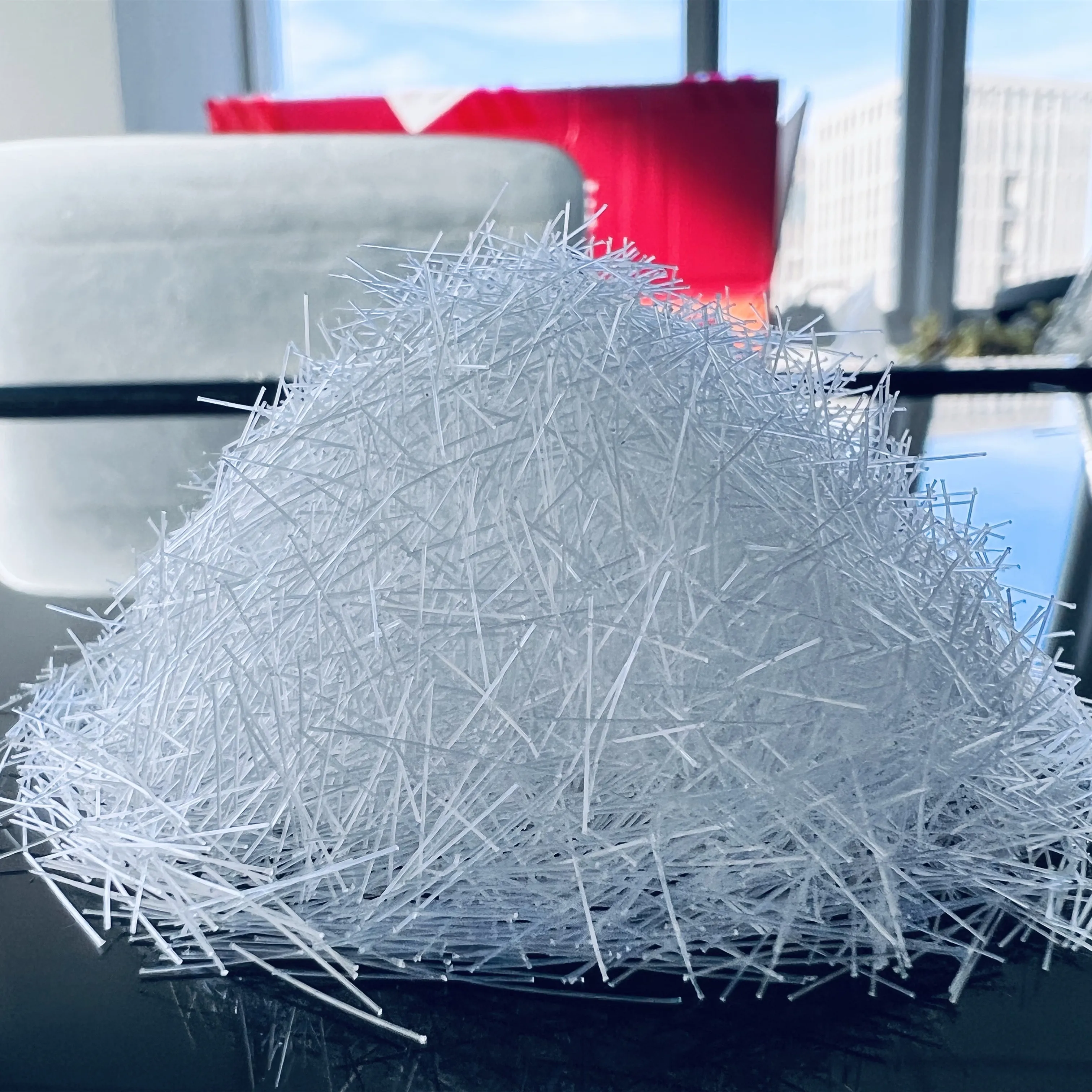
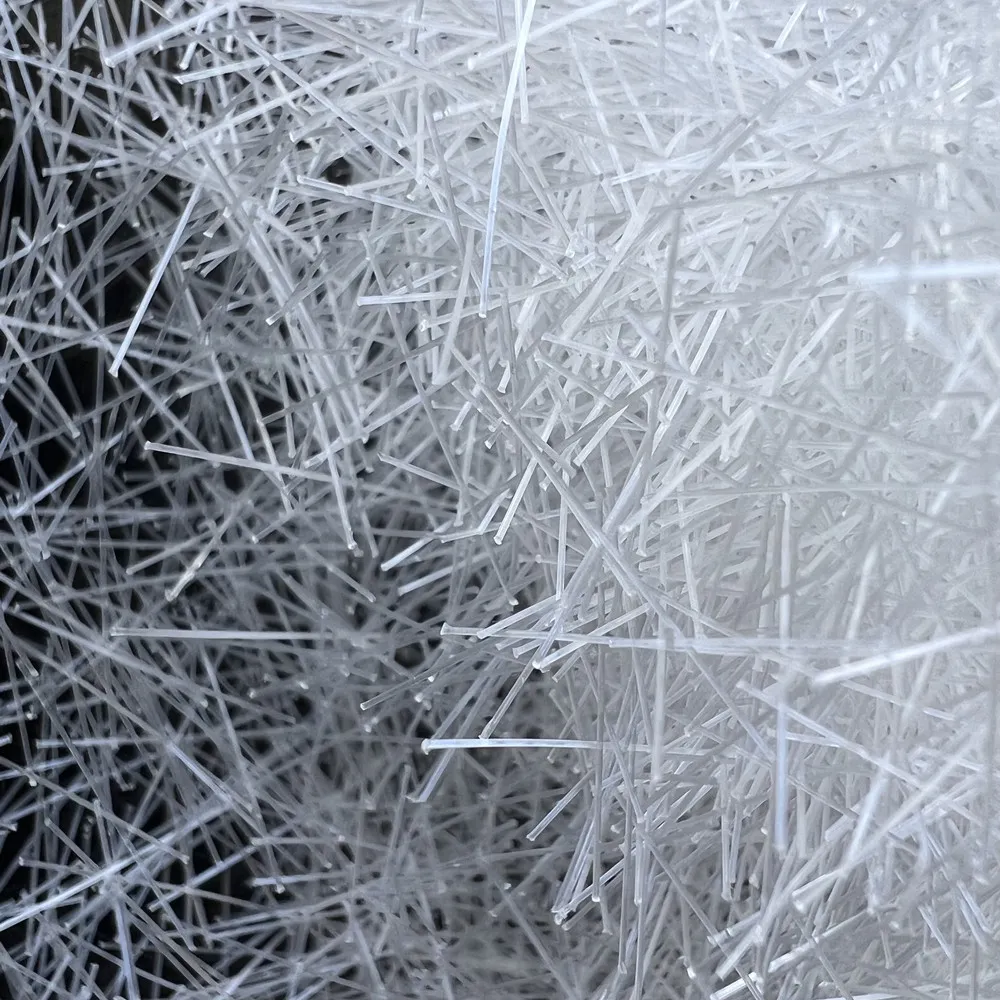
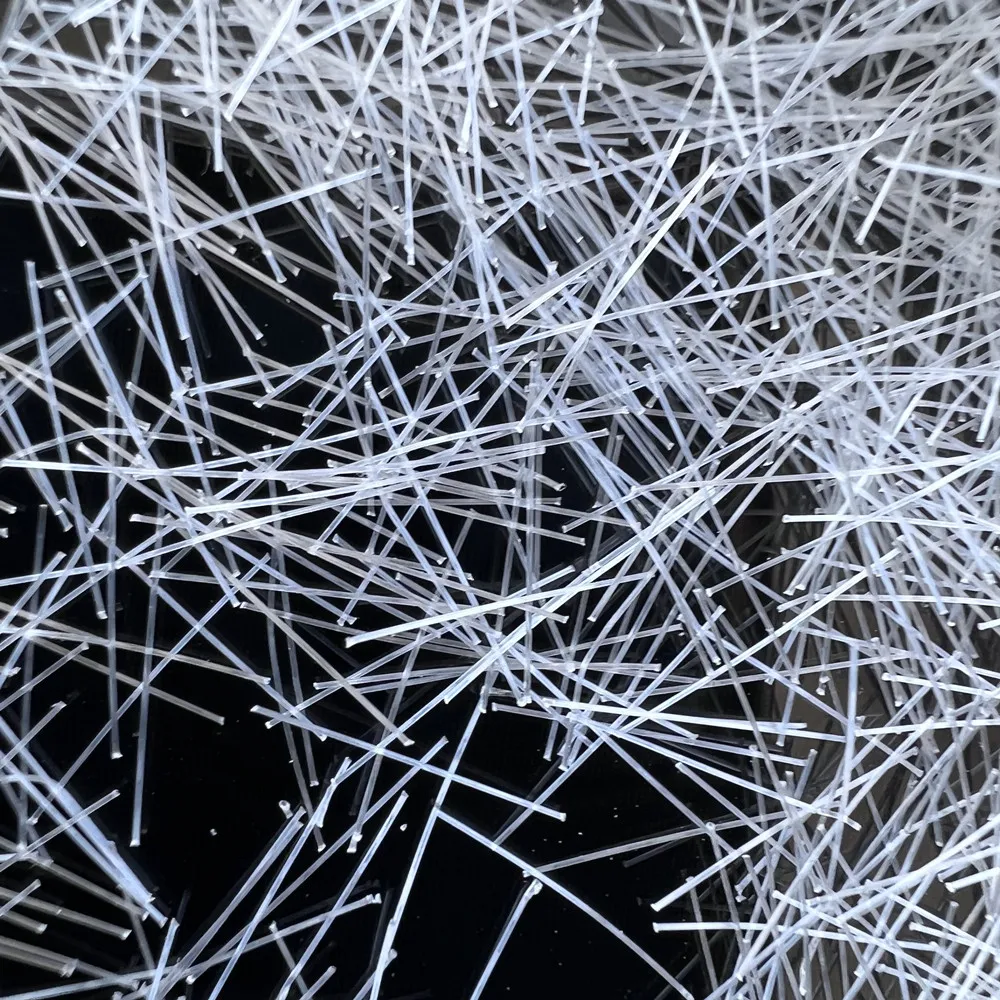
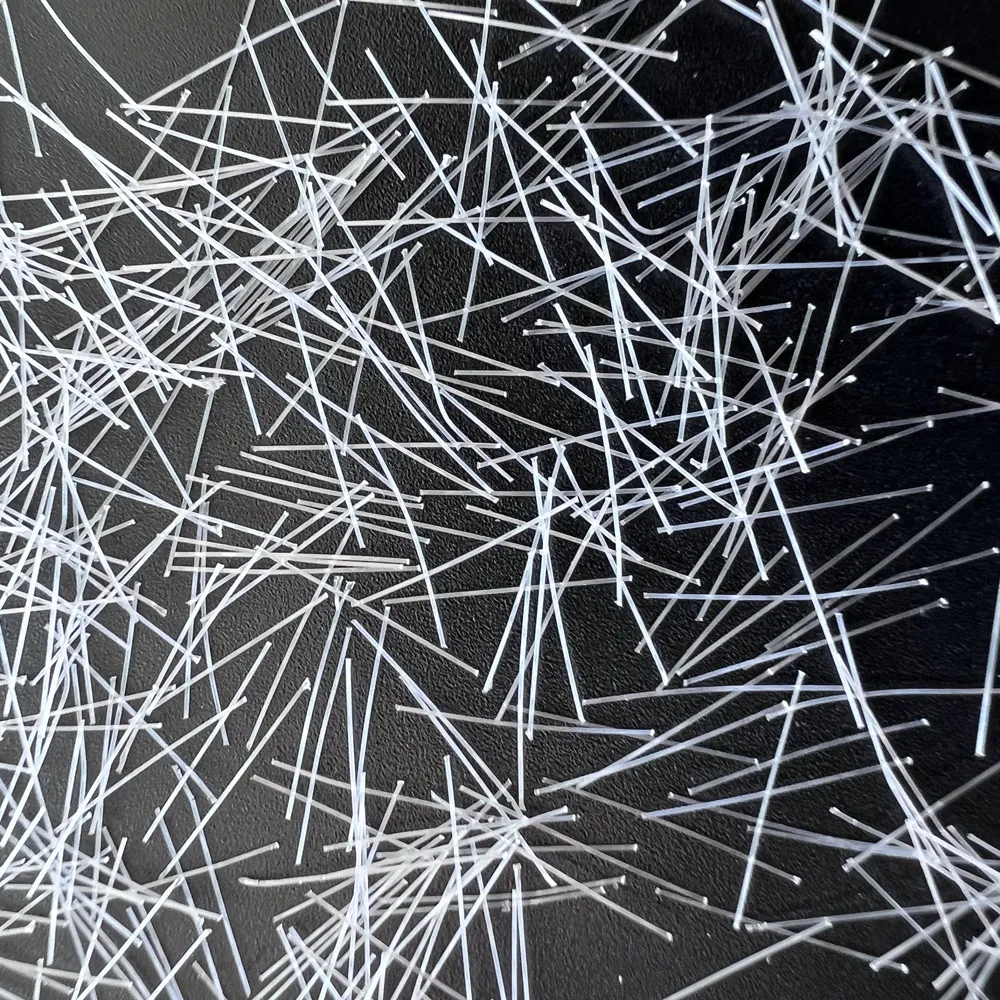
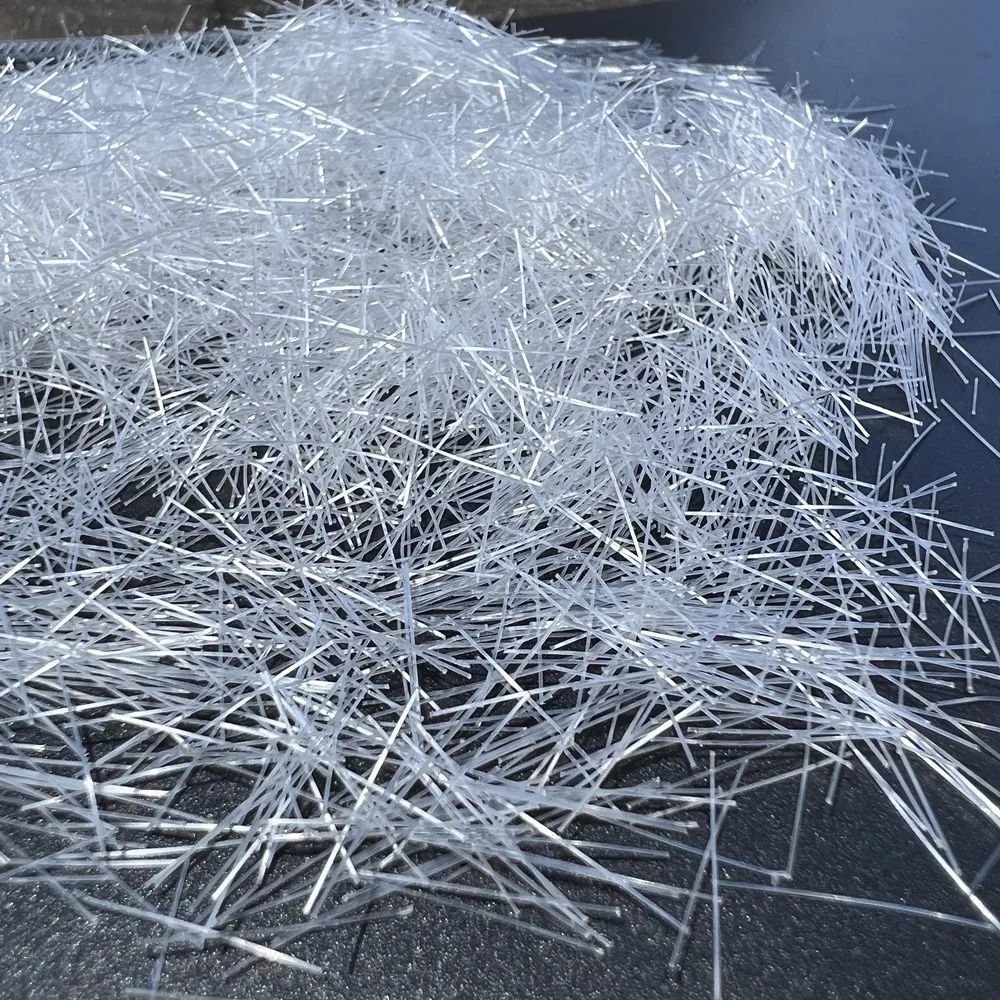
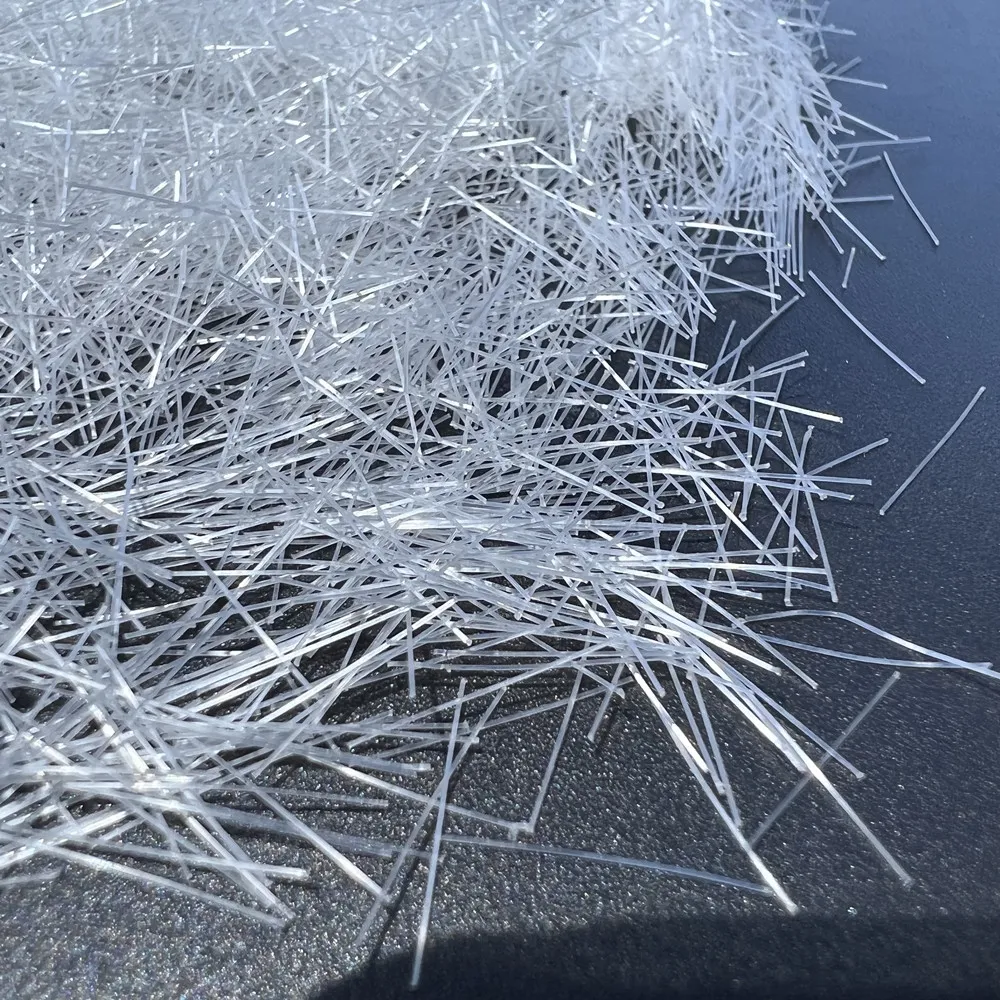
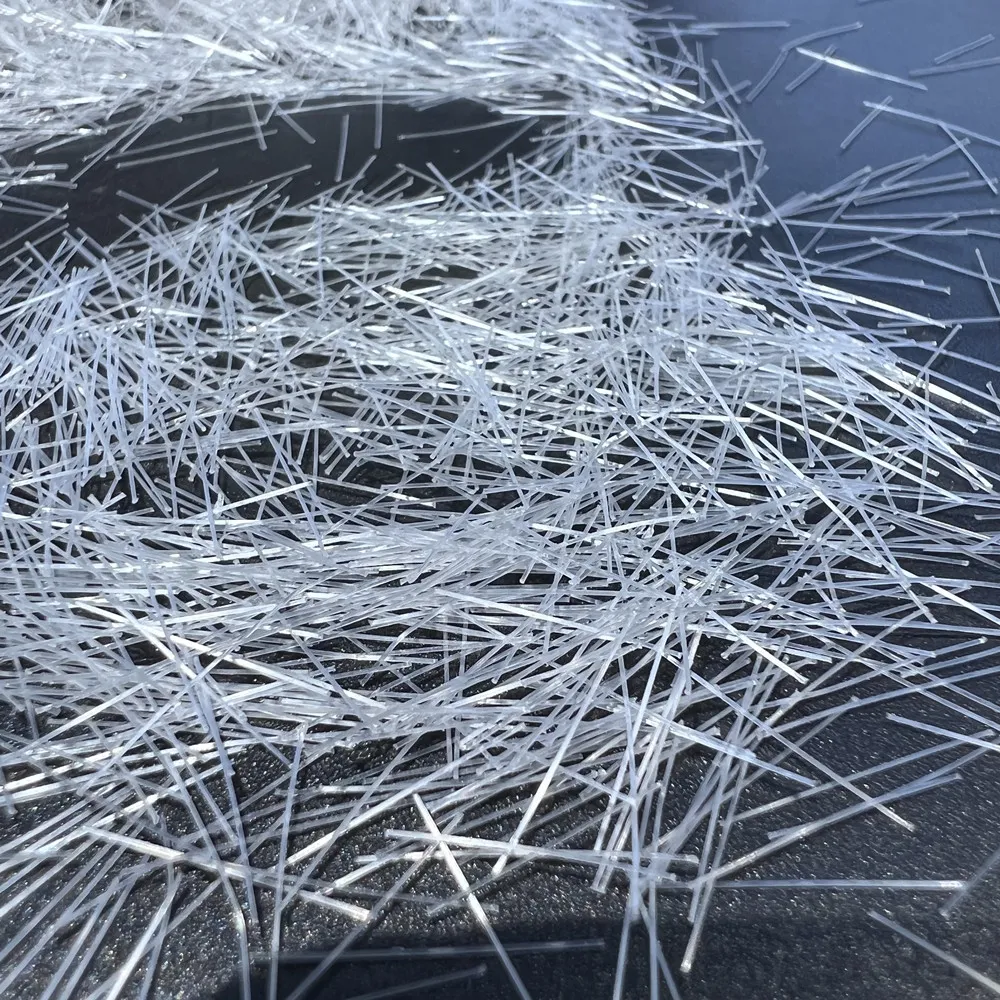
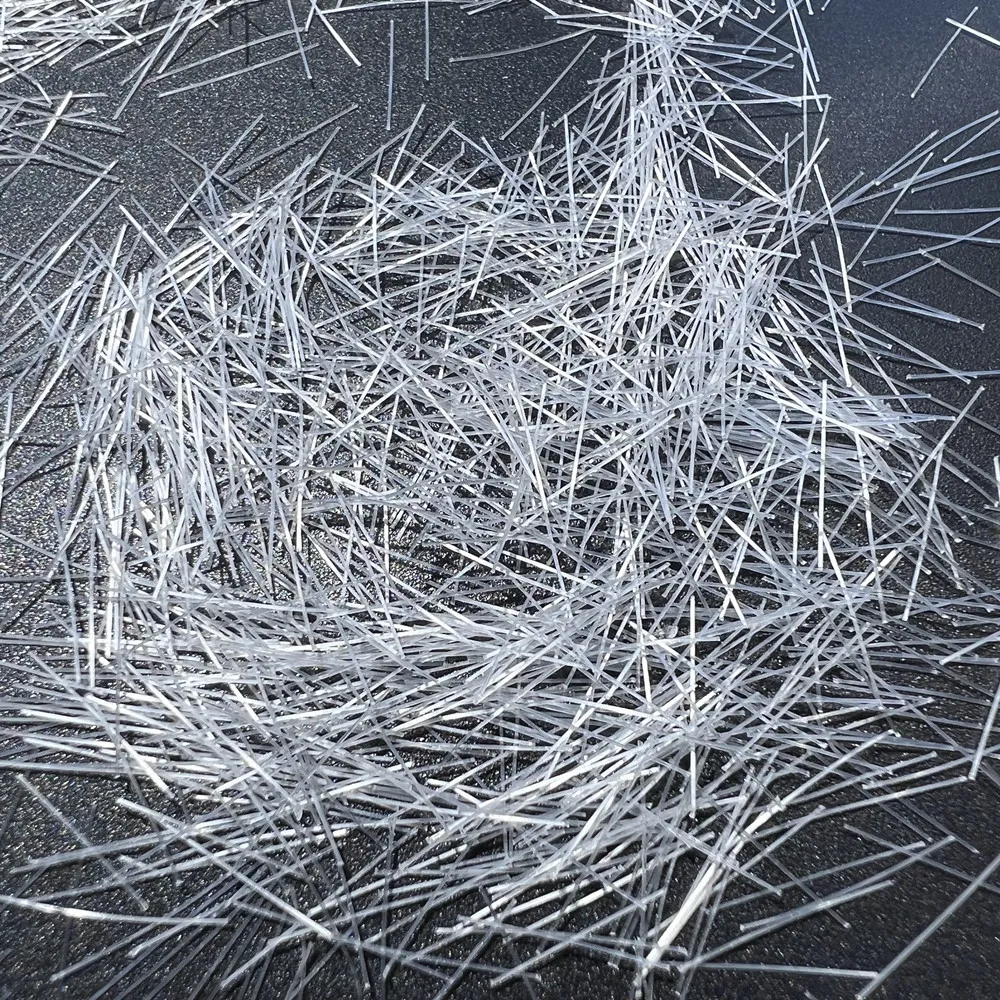
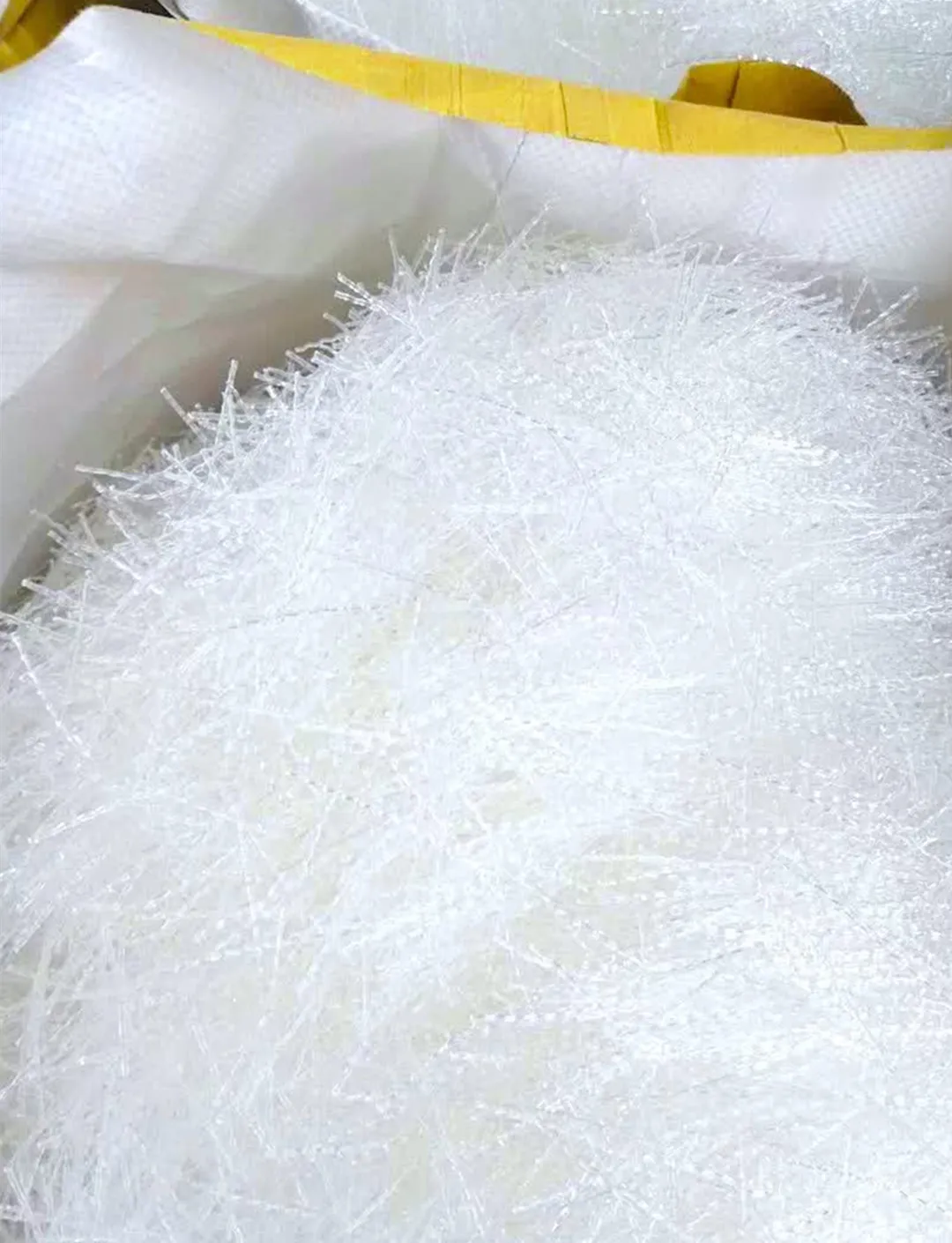
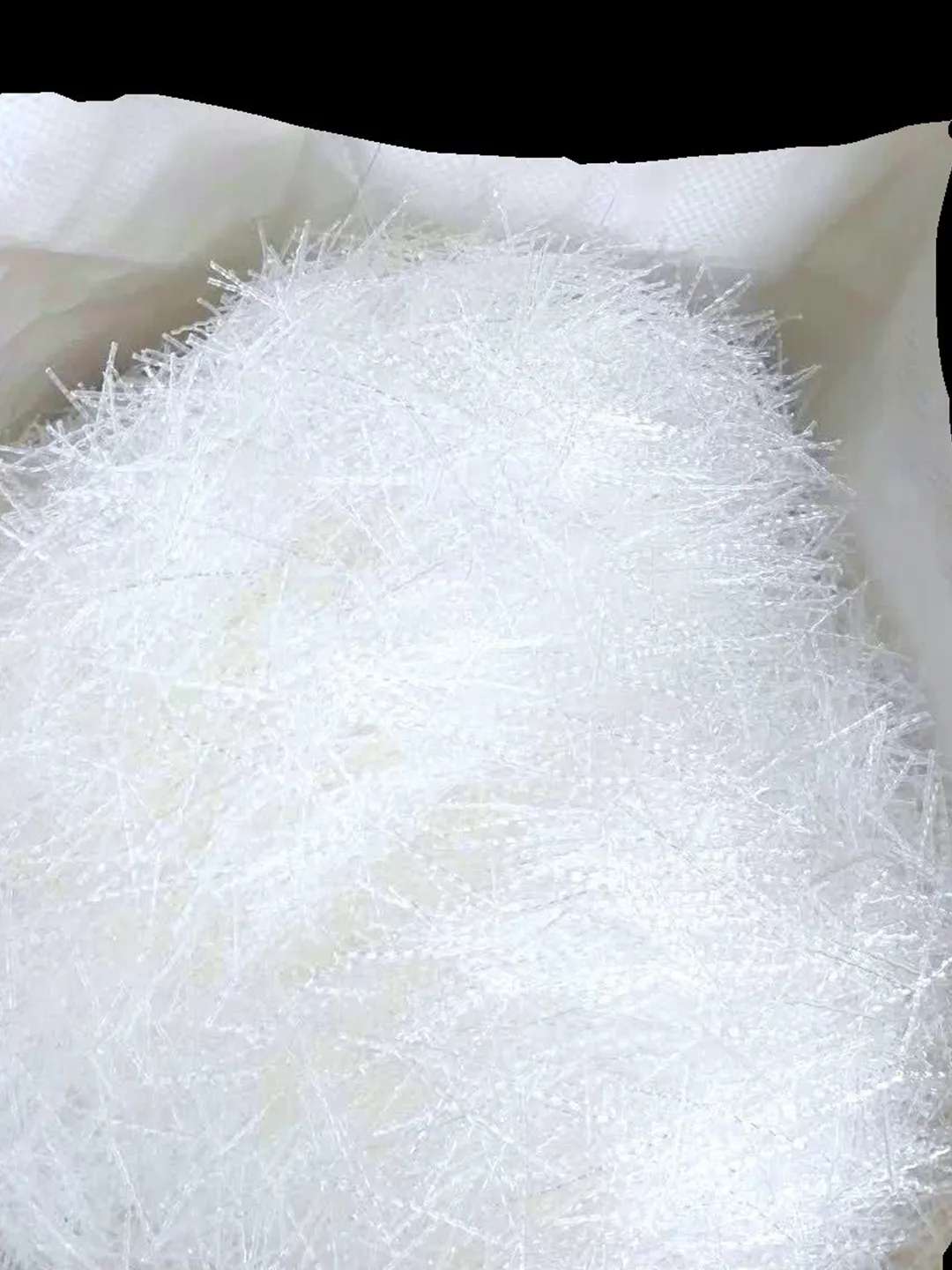
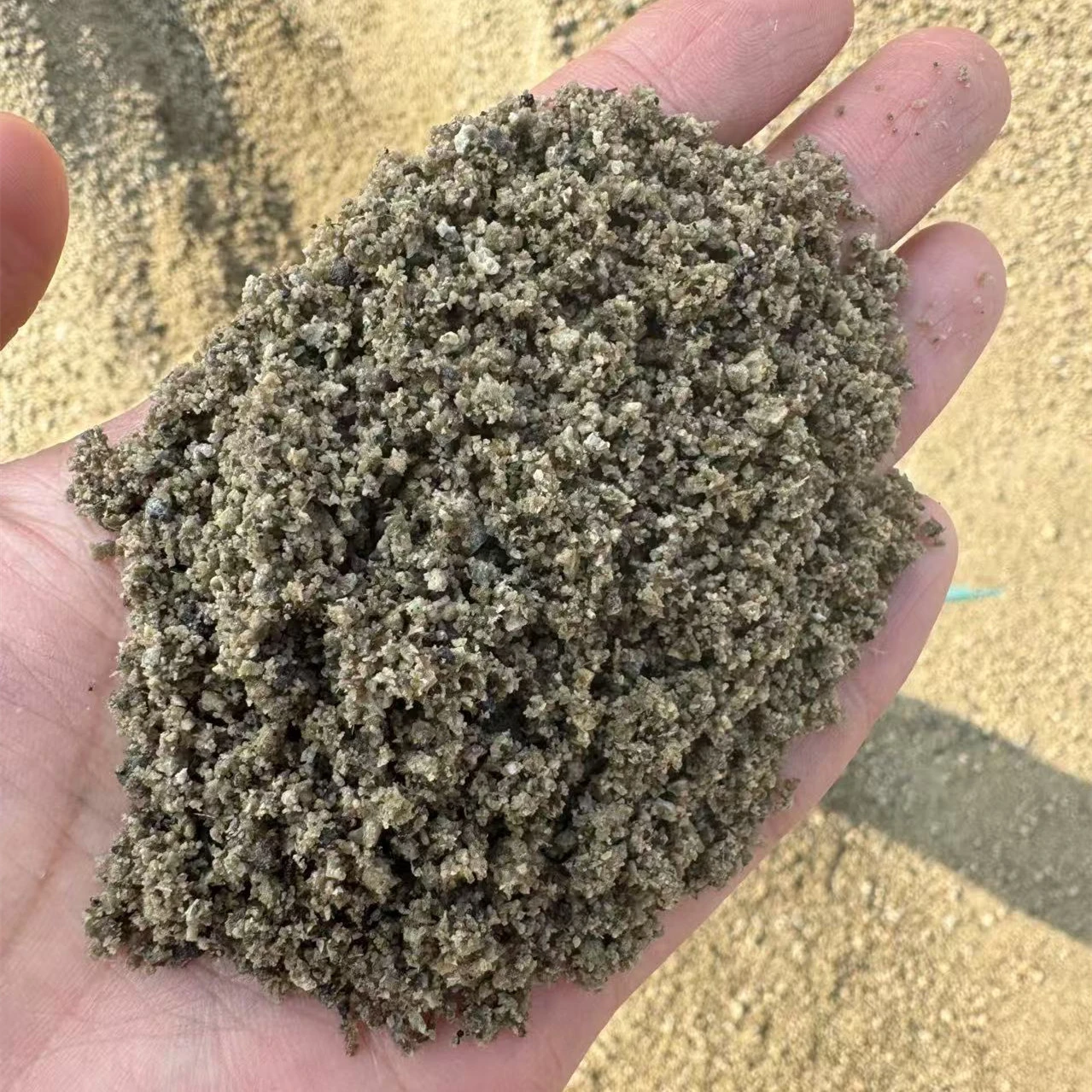
Primary Composition | Portland cement, water, coarse & fine aggregates (gravel, sand). | Cement, silica fume, excellent powders (quartz flour), high-range water reducers (superplasticizers), and optional fibers (steel or polymer). No coarse aggregates. |
Water-to-Cement Ratio | Higher (typically 0.4 to 0.6) | Very low (typically below 0.25) |
Compressive Strength | 20 - 40 MPa (3,000 - 6,000 psi) | Minimum 120 MPa (17,000 psi), commonly 150-250 MPa (22,000-36,000 psi) |
Tensile Strength & Ductility | Low tensile strength (~10% of compressive), brittle (cracks easily). | Significantly higher tensile strength and ductility due to fiber reinforcement. Can exhibit strain-hardening behavior. |
Flexural Strength | Low (typically 3-5 MPa). | Very high (15-50 MPa), depending on fiber type and content. |
Durability & Permeability | Porous, allowing water and chlorides to penetrate. Moderate durability. | Extremely low permeability, virtually impervious to water and chlorides. Superior resistance to freeze-thaw, abrasion, and chemical attack. |
Microstructure | Heterogeneous with voids, microcracks, and a porous paste. | Very dense, homogeneous, and compact matrix with minimal defects. |
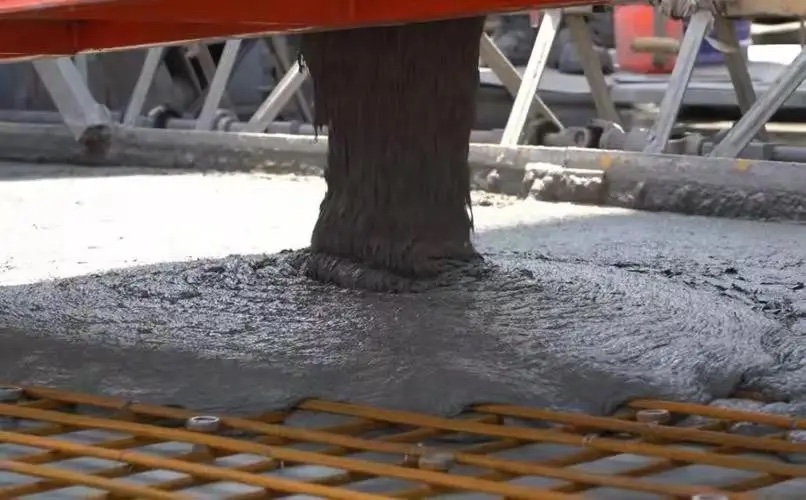
Applications | Foundations, slabs, columns, pavements, and most general construction. | Specialized applications: Bridge joints/deck overlays, seismic retrofits, thin-shell structures, security/blast-resistant walls, high-wear industrial floors, architectural facades. |
Cost | Low-cost, widely available materials. | High cost (5-10x more than standard concrete), due to materials, precise mixing, and quality control. |
Distinguishing Features | Workhorse material for volume construction. Strong in compression but weak in tension. | Ultra-high strength, exceptional durability, and improved toughness due to fiber reinforcement and a dense matrix. |