Email Us
PRODUCTS

List of Tianjin Sunward Cementitious Materials

Difference Between Pozzolanic and Cementitious Materials


FeaturePozzolanic MaterialsCementitious Materials
Inherent Cementing AbilityNo (requires reaction with Ca(OH)₂ to become cementitious)Yes (can harden independently with water)
Activator NeededYes (needs calcium hydroxide from cement hydration)No (reacts directly with water)
Main ComponentsSilica (SiO₂), Alumina (Al₂O₃)Calcium silicates, calcium aluminates
Common ExamplesVolcanic ash, silica fume, Class F fly ash, rice husk ashPortland cement, Ground Granulated Blast Furnace Slag (GGBFS)
Reaction MechanismReacts with Ca(OH)₂ and water to form C-S-H gelReacts directly with water to form C-S-H gel
Reaction RateSlow (long-term strength gain)Fast (early strength gain)
Durability ContributionYes (improves resistance to chemicals, reduces permeability)Yes (mainly contributes to structural strength)
Environmental ImpactLow (often from industrial by-products or natural sources)Higher (cement production emits significant CO₂)


The Role of Supplementary Cementitious Materials (SCMs) in Concrete

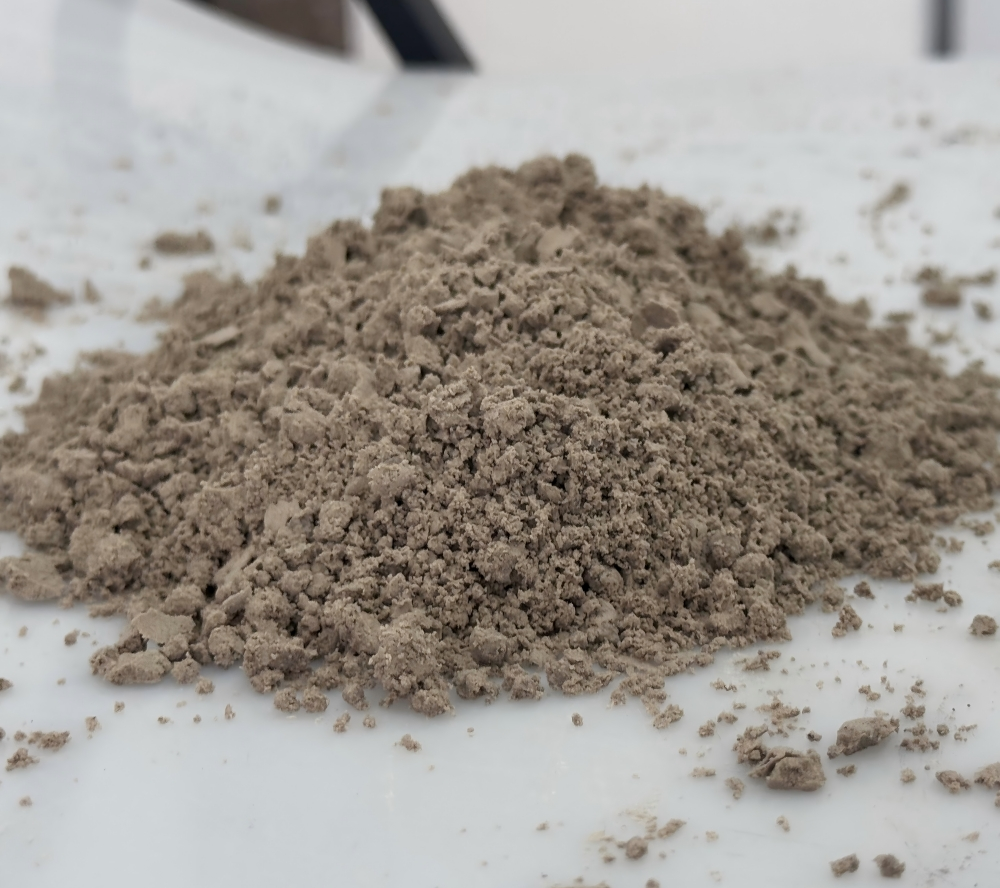
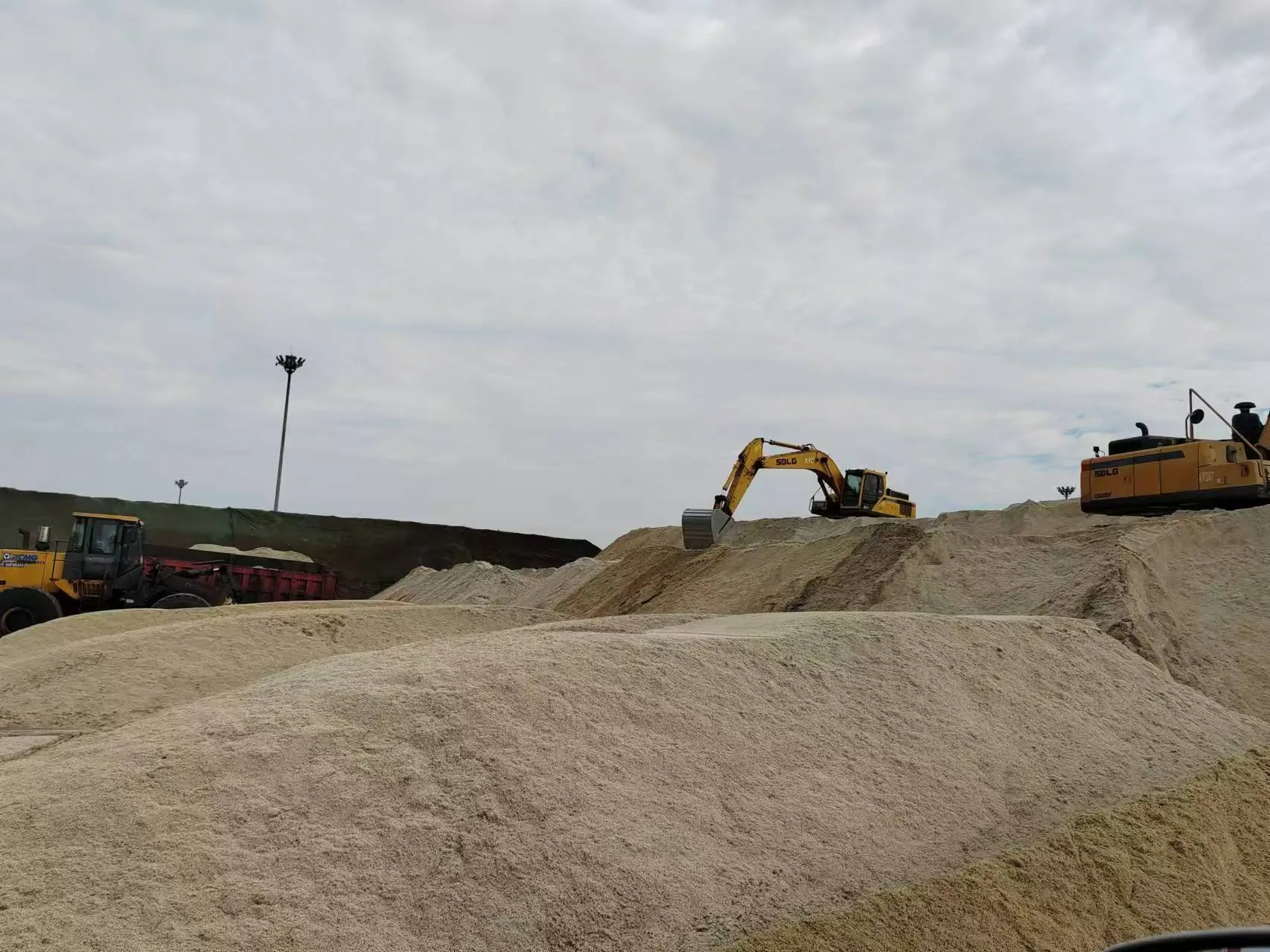
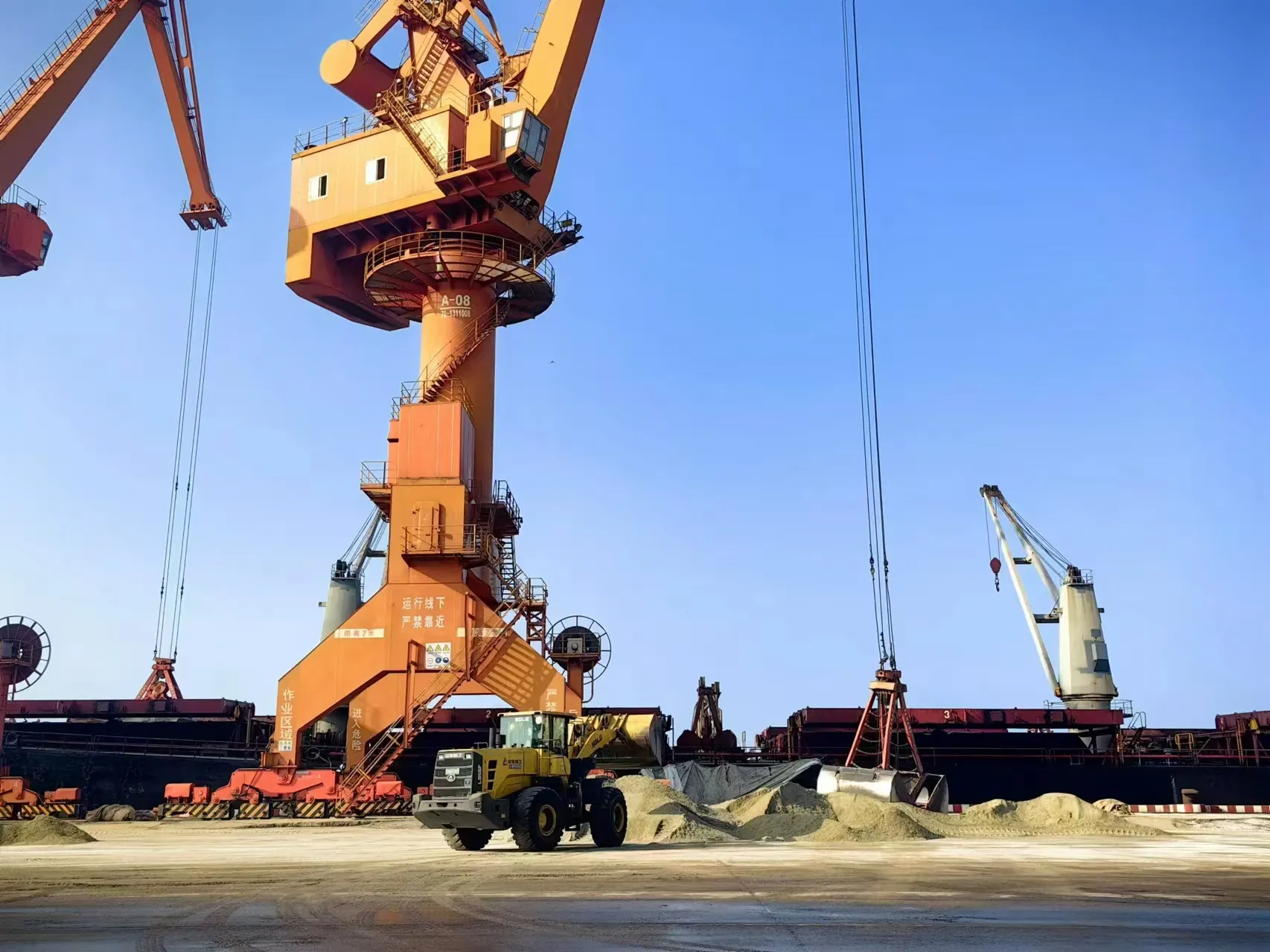
The use of supplementary cementitious material (SCMs) has become essential in today's construction industry, especially as builders and engineers seek more sustainable and high-performance concrete solutions. By partially replacing traditional Portland cement, supplementary cementitious materials (SCMs) in concrete improve strength, durability, and long-term performance while reducing the overall environmental footprint.


A supplementary cementitious material (SCMs) can come from a variety of industrial by-products or natural sources, such as fly ash, slag cement, silica fume, and natural pozzolans. By integrating supplementary cementitious materials (SCMs) in concrete, builders achieve structures with extended service life and reduced maintenance costs.


In modern construction practices, the integration of supplementary cementitious material (SCMs) is more than just a technical advantage — it's also a step toward sustainable development. The widespread adoption of supplementary cementitious materials (SCMs) in concrete helps reduce carbon emissions associated with cement production, making it a practical solution for greener infrastructure.
The Role of Supplementary Cementitious Materials (SCMs) in Concrete

Key Applications of Alternative Cementitious Materials

Key Applications of Alternative Cementitious Materials

Alternative cementitious materials are transforming modern concrete construction by improving durability, sustainability, and overall performance. These alternative cementitious materials serve as partial replacements for traditional Portland cement, reducing carbon emissions while enhancing structural properties.


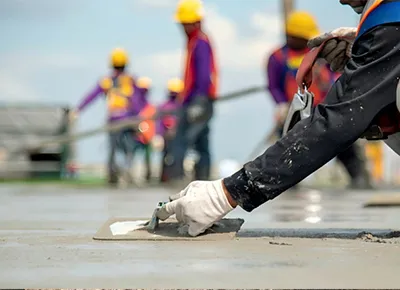
  • Large-scale Infrastructure: In large-scale infrastructure projects such as highways, bridges, and tunnels, alternative cementitious materials play a critical role. Types of alternative cementitious materials like fly ash and slag cement (GGBFS) are commonly used to reduce heat of hydration, improve workability, and enhance long-term durability. Incorporating alternative cementitious materials in these projects helps concrete resist cracking, sulfate attack, and other forms of environmental degradation, ensuring longer-lasting infrastructure.


  • Commercial and Residential Construction: In commercial and residential construction, alternative cementitious materials improve concrete performance while enabling more efficient construction practices. For example, silica fume, one of the key types of alternative cementitious materials, is used in high-strength concrete for tall buildings and heavy-load structures. By integrating alternative cementitious materials, builders can achieve stronger, more reliable concrete suitable for diverse building applications.


  • Sustainable Construction and Green Building: Sustainability is a major driver for adopting alternative cementitious materials in modern construction. Using these cementitious materials reduces the carbon footprint of cement production while contributing to green building certifications such as LEED. The wide range of types of alternative cementitious materials, including fly ash, slag cement, silica fume, and natural pozzolans, allows engineers to tailor concrete mixes for eco-friendly projects without compromising performance.

FL25, Yintai Building A, No.48 Xianyang North Road, Hongqiao Dist. Tianjin
info@tjsunward.com +86 13682090415